Are you staring at a shelf overflowing with magnesium supplements, wondering which one will actually help you sleep better, calm your nerves, or ease those frustrating muscle cramps? You’re not alone. The sheer variety of magnesium forms, glycinate, citrate, oxide, malate, and more, can feel like navigating a maze, especially when you’re seeking real relief for perimenopausal symptoms or simply better daily well-being.
This comprehensive guide cuts through the confusion, offering a clear, evidence-based comparison of magnesium glycinate against its most common alternatives. We’ll explore how each form works, what the research says about its effectiveness for your specific concerns, and help you confidently choose the best magnesium supplement for your needs in 2026.
Please note: This article contains affiliate links. If you make a purchase through these links, MagnesiumHub may earn a commission at no extra cost to you. We only recommend products we believe in and that align with the information presented.
Understanding Magnesium: Why the Form Matters
Magnesium is an essential mineral involved in over 300 biochemical reactions in your body. These reactions range from muscle and nerve function to blood glucose control, blood pressure regulation, and bone health.
However, not all magnesium supplements are created equal. The “form” of magnesium refers to the compound magnesium is bound to (e.g., glycine in magnesium glycinate, citric acid in magnesium citrate). This binding agent significantly influences two critical factors: bioavailability and specific physiological effects.
Bioavailability is how well your body absorbs and utilizes the magnesium. Some forms are poorly absorbed, meaning much of the magnesium passes through your digestive system without being used. Other forms are highly bioavailable, delivering more magnesium to your cells where it’s needed.
Magnesium Glycinate: The Gentle, Effective Choice
Magnesium glycinate, also known as magnesium bisglycinate, is magnesium bound to glycine, an amino acid. This unique chelated form is widely recognized for its high bioavailability and gentle impact on the digestive system.
Mechanism and Absorption
The glycine molecule acts as a carrier, allowing magnesium to pass through the intestinal wall more efficiently. Because glycine is an amino acid, the magnesium is absorbed via protein channels, bypassing some of the common absorption pathways that can lead to digestive upset with other forms.
This chelation is intended to protect the magnesium from binding with other compounds in the gut. It is worth being straight about how much evidence sits behind that idea. Organic and chelated magnesium salts as a group do outperform magnesium oxide: oxide’s fractional absorption measured about 4 percent, while magnesium chloride, lactate and aspartate were significantly higher[1], and a 60-day randomized trial in 46 adults found citrate and an amino-acid chelate both absorbed better than oxide[2]. Glycinate specifically, though, has never been tested in a dedicated human bioavailability trial. In a crossover study that compared four forms directly, magnesium bisglycinate did not raise plasma magnesium significantly over six hours, while oxide and citrate did[3]. The honest summary is that glycinate is chosen for tolerability and for the glycine it carries, not because it has been shown to absorb better than every alternative.
Key Benefits of Magnesium Glycinate
Magnesium glycinate is often recommended for several specific health concerns, particularly those prevalent in women navigating perimenopause and beyond.
Sleep Improvement
This is the one place where glycinate has its own trial. A randomized, double-blind, placebo-controlled study in 155 adults with self-reported poor sleep gave 250 mg of elemental magnesium as bisglycinate daily; insomnia severity scores fell further in the magnesium group than on placebo (-3.9 versus -2.3, p = 0.049), though the authors describe the effect as modest and the effect size was small[4]. Improvements were largest in participants whose dietary magnesium intake was low to begin with. Magnesium also plays a role in regulating neurotransmitters involved in sleep, such as gamma-aminobutyric acid (GABA).
GABA helps calm nerve activity, promoting relaxation and reducing the time it takes to fall asleep. The added glycine also has calming properties, contributing to a synergistic effect for sleep support.
Anxiety and Stress Reduction
Magnesium’s role in nervous system regulation makes it a popular choice for anxiety. It helps modulate the hypothalamic-pituitary-adrenal (HPA) axis, which is central to the body’s stress response.
A systematic review of 18 studies found magnesium supplementation had a suggestive benefit on subjective anxiety, but only in groups already vulnerable to it, and the reviewers rated the overall quality of that evidence as poor and called for properly designed randomized trials[5]. None of those studies singled out glycinate, and no trial has shown that glycinate crosses the blood-brain barrier better than other forms. That property is claimed for magnesium L-threonate, which is discussed further down this page. What glycinate reliably brings to the comparison is glycine itself and a low rate of digestive upset.
Muscle Cramps and Restless Legs
Magnesium is crucial for muscle relaxation. It acts as a natural calcium channel blocker, preventing excessive muscle contraction and promoting muscle relaxation.
For those experiencing nocturnal leg cramps or restless legs syndrome, particularly common in perimenopause, magnesium glycinate can provide relief by supporting proper muscle function without the laxative effect of other forms.
Bone Health
While calcium often takes the spotlight for bone health, magnesium is equally vital. It contributes to bone mineral density and is necessary for the activation of vitamin D, which is essential for calcium absorption.
Maintaining adequate magnesium levels, especially with a highly bioavailable form like glycinate, supports long-term bone health, a critical concern for women in their 40s, 50s, and beyond.
Magnesium Glycinate vs. Other Popular Forms
To truly understand why magnesium glycinate stands out, let’s compare it directly with its most common counterparts.
Magnesium Glycinate vs. Magnesium Citrate
Magnesium citrate is magnesium bound to citric acid. It is generally well-absorbed and often used for its laxative properties.
Bioavailability: Good, and the best-evidenced of the common forms. In the 60-day randomized trial described above, citrate produced the highest mean serum magnesium of any preparation tested, both after a single dose and after two months[2].
Primary Use: Constipation relief. The citric acid draws water into the intestines, stimulating bowel movements.
Considerations: While effective for occasional constipation, its laxative effect can be undesirable if your primary goal is sleep or anxiety relief. Taking too much can lead to diarrhea and electrolyte imbalance.

Magnesium Glycinate vs. Magnesium Oxide
Magnesium oxide is an inorganic salt of magnesium. It contains a high percentage of elemental magnesium per dose but has very poor bioavailability.
Bioavailability: Poor. Fractional absorption was measured at about 4 percent in a comparison of commercial magnesium preparations[1], and in a separate 60-day trial magnesium oxide was no different from placebo on urinary magnesium excretion[2]. Most of it passes through the digestive tract.
Primary Use: Often found in antacids and laxatives due to its low absorption and osmotic effect in the gut.
Considerations: If your goal is to raise systemic magnesium levels for sleep, anxiety, or muscle function, magnesium oxide is generally not the best choice. While it provides a lot of elemental magnesium, very little of it reaches the bloodstream.
Magnesium Glycinate vs. Magnesium Malate
Magnesium malate is magnesium bound to malic acid, a compound found naturally in fruits. It is generally well-absorbed and does not typically have the strong laxative effect of citrate.
Bioavailability: Usually described as good, though this rests on malate’s classification as an organic salt rather than on a human bioavailability trial, which has not been published for this form.
Primary Use: Often favored for energy production and muscle function. Malic acid plays a role in the Krebs cycle, which generates cellular energy.
Considerations: Magnesium malate is an excellent choice for general magnesium supplementation and may be particularly beneficial for those experiencing fatigue or muscle pain. It shares the good absorption of glycinate but lacks the specific calming effects of glycine.

Magnesium Glycinate vs. Magnesium Threonate
Magnesium L-threonate is a newer form specifically designed to enhance magnesium’s ability to cross the blood-brain barrier. It is often marketed for cognitive benefits.
Bioavailability: High, particularly for brain tissue.
Primary Use: Cognitive enhancement and memory. The finding that oral magnesium L-threonate raises magnesium concentrations in brain tissue comes from rodent work[7]; no published human study has measured brain magnesium directly. The human evidence is a 12-week randomized trial in 44 older adults with cognitive impairment, which reported improvement on cognitive testing[6]. Promising, but a single small trial.
Considerations: While promising for brain health, magnesium L-threonate is typically more expensive and may not offer the same widespread systemic benefits for muscle relaxation or general anxiety that glycinate provides. For sleep and broad anxiety relief, glycinate often remains the preferred choice due to the added benefits of glycine.

Comparative Overview: Magnesium Forms
Here’s a quick reference table to help clarify the differences:
| Magnesium Form | Bioavailability | Primary Benefits | Common Side Effects | Best For |
|---|---|---|---|---|
| Glycinate | High | Sleep, anxiety, muscle relaxation, bone health | Minimal digestive upset | General supplementation, sleep, anxiety, muscle cramps, perimenopause symptoms |
| Citrate | Good | Constipation relief | Diarrhea, stomach upset | Occasional constipation |
| Oxide | Poor (4%) | Antacid, laxative (due to poor absorption) | Diarrhea, stomach upset | Not ideal for systemic magnesium deficiency |
| Malate | Good | Energy, muscle function, general wellness | Minimal digestive upset | Fatigue, muscle pain, general daily support |
| Threonate | High (especially brain) | Cognitive function, memory | Minimal digestive upset | Brain health, specific cognitive concerns |

Choosing the Best Magnesium Supplement for You
When selecting a magnesium supplement, consider your primary health goals.
If you are a woman aged 40-60 experiencing sleep disturbances, anxiety, muscle cramps, or seeking general support during perimenopause, magnesium glycinate is frequently the top recommendation. Its high bioavailability and gentle nature make it effective without causing digestive distress.
For occasional constipation, magnesium citrate might be appropriate, but it’s not ideal for long-term systemic support. If energy levels and muscle function are your main concern, magnesium malate is an excellent alternative or addition.
What to Look For in a Magnesium Glycinate Supplement
When searching for a quality magnesium glycinate product, consider these factors:
Third-Party Testing: Look for supplements that are third-party tested for purity and potency. This ensures the product contains what it claims and is free from contaminants.
Elemental Magnesium: Pay attention to the amount of elemental magnesium per serving, not just the total compound weight. Most reputable brands will clearly state this.
Formulation: Ensure it’s truly magnesium bisglycinate or chelated magnesium glycinate for optimal absorption. Avoid blends that include a high percentage of magnesium oxide if your goal is systemic relief.
Additional Ingredients: Check for unnecessary fillers, artificial colors, or common allergens if you have sensitivities.

Where to Find Quality Magnesium Glycinate
You can find a wide selection of magnesium glycinate supplements online and in health food stores. When shopping, consider searching for:
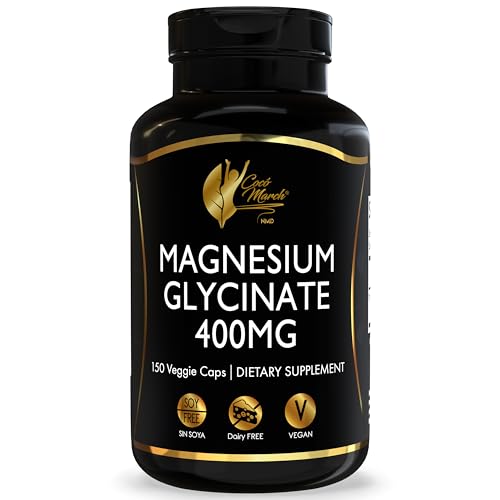
magnesium glycinate sleep supplement
magnesium glycinate anxiety relief
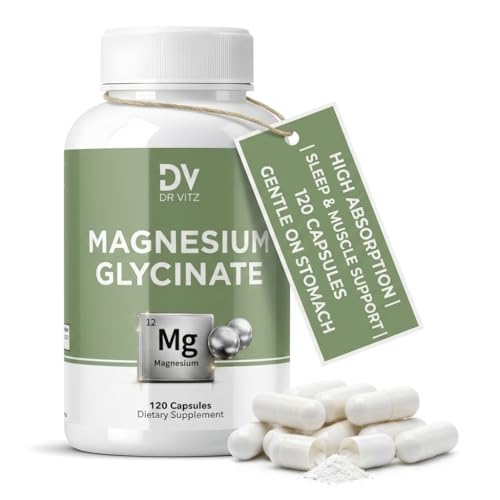
magnesium glycinate capsules or powder
Conclusion
Navigating the world of magnesium supplements no longer needs to be confusing. For those seeking relief from sleep issues, anxiety, muscle cramps, and support through perimenopause, magnesium glycinate is a reasonable default, not because it absorbs better than everything else, but because it is well tolerated, it carries glycine, and it is the form with a sleep trial of its own[4]. If cost matters more than comfort, citrate has the stronger absorption data[2]; if the goal is cognition specifically, L-threonate is the form with human cognitive-outcome data[6].
Always consult with your healthcare provider before starting any new supplement regimen, especially if you have underlying health conditions or are taking other medications.
Frequently Asked Questions (FAQ)
What is the best form of magnesium for sleep?
Magnesium glycinate is widely considered the best form of magnesium for sleep due to its high bioavailability and the calming effects of glycine on the nervous system. Magnesium L-threonate can also be beneficial for sleep if cognitive aspects are a primary concern.
Which magnesium is best for perimenopause?
Magnesium glycinate is often recommended for perimenopause symptoms. It can help with sleep disturbances, anxiety, muscle cramps, and supports bone health, all common concerns during this life stage. Its gentle nature means fewer digestive side effects.
Can I take magnesium glycinate every day?
Yes, magnesium glycinate is generally safe for daily use at recommended dosages. Consistent daily intake is often necessary to build up and maintain adequate magnesium levels in the body for sustained benefits.
What is the difference between magnesium glycinate and magnesium citrate?
Magnesium glycinate is highly absorbed and primarily used for its systemic benefits like sleep, anxiety, and muscle relaxation, with minimal laxative effects. Magnesium citrate is also well-absorbed but is primarily used as a laxative due to its ability to draw water into the intestines.
How long does it take for magnesium glycinate to work?
Some people may notice effects like improved sleep or reduced anxiety within a few days, while for others, it may take 2-4 weeks of consistent supplementation to experience significant benefits. Individual results can vary based on the severity of deficiency and personal physiology.
Are there any side effects of magnesium glycinate?
Magnesium glycinate is generally well-tolerated. Unlike some other forms, it rarely causes digestive upset like diarrhea, even at higher doses, due to its high absorption. Mild stomach upset or drowsiness can occur in sensitive individuals.
These statements have not been evaluated by the FDA. This product is not intended to diagnose, treat, cure, or prevent any disease.
References
- Bioavailability of US commercial magnesium preparations. Magnes Res, 2001
- Mg citrate found more bioavailable than other Mg preparations in a randomised, double-blind study. Magnes Res, 2003
- Comparative Clinical Study on Magnesium Absorption and Side Effects After Oral Intake of Microencapsulated Magnesium (MAGSHAPETM Microcapsules) Versus Other Magnesium Sources. Nutrients, 2024
- Magnesium Bisglycinate Supplementation in Healthy Adults Reporting Poor Sleep: A Randomized, Placebo-Controlled Trial. Nat Sci Sleep, 2025
- The Effects of Magnesium Supplementation on Subjective Anxiety and Stress-A Systematic Review. Nutrients, 2017
- Efficacy and Safety of MMFS-01, a Synapse Density Enhancer, for Treating Cognitive Impairment in Older Adults: A Randomized, Double-Blind, Placebo-Controlled Trial. J Alzheimers Dis, 2016
- Effects of elevation of brain magnesium on fear conditioning, fear extinction, and synaptic plasticity in the infralimbic prefrontal cortex and lateral amygdala. J Neurosci, 2011
These statements have not been evaluated by the Food and Drug Administration. This information is not intended to diagnose, treat, cure, or prevent any disease. Content is for informational purposes only and is not medical advice; consult a qualified healthcare provider before starting any supplement. As an Amazon Associate we earn from qualifying purchases.
