As women navigate perimenopause and beyond, supporting bone health becomes an increasingly important consideration. While calcium is often highlighted for its role in bone structure, magnesium also plays a significant part in maintaining bone density and overall skeletal integrity.
This article will explore the distinct yet interconnected contributions of both magnesium and calcium to bone health during midlife, drawing on available research to help you understand why a balanced approach may be beneficial.
The Foundation: Calcium’s Role in Bone Structure
Calcium is widely recognized as a primary building block for bones and teeth. It is the most abundant mineral in the body, with the vast majority stored in the skeleton [1]. During perimenopause and postmenopause, hormonal shifts can influence bone remodeling, making adequate calcium intake a common recommendation for supporting bone density [2].
Dietary and anthropometric factors, as well as physical activity, can influence bone density in women [3]. While calcium is crucial, its effectiveness in supporting bone health is often discussed in conjunction with other nutrients and lifestyle factors.
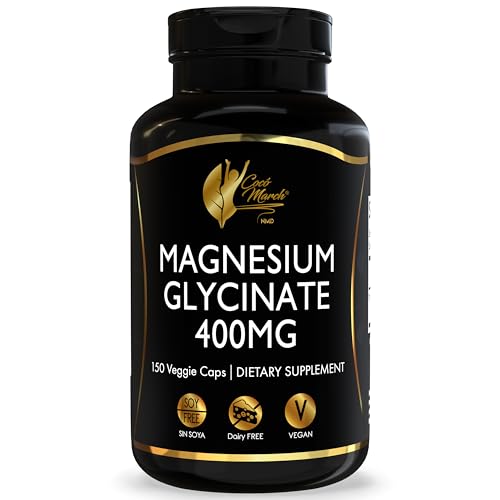
Magnesium: More Than Just a Supporting Player for Bones
Magnesium is an essential mineral involved in hundreds of bodily processes, including those related to bone health [4]. While less often emphasized than calcium, magnesium contributes to bone mineral density and structure. Research has explored associations between magnesium levels and bone health, suggesting its importance [5].
Magnesium’s role extends to influencing calcium metabolism and the activity of vitamin D, both of which are critical for bone health. It participates in processes that help regulate calcium levels in the body [6]. Studies have investigated the relationship between serum and hair magnesium levels and bone mineral density in premenopausal women [5].
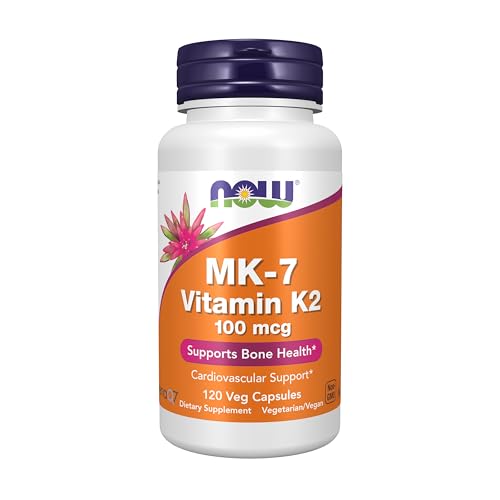
The Interplay: Why Both Magnesium and Calcium Matter
It’s not a question of magnesium vs calcium bone health, but rather how these two minerals work together. Both are vital for maintaining skeletal strength. An imbalance in the ratio of calcium to magnesium has been explored in relation to bone health. For instance, an association between a calcium-to-magnesium ratio and osteoporosis has been observed in some adult populations [7].
Optimal nutrition involves a balance of various minerals, including calcium, magnesium, and phosphorus, for overall health and bone integrity [1]. Focusing solely on one mineral without considering the others may not provide comprehensive support for bone health during perimenopause and beyond.
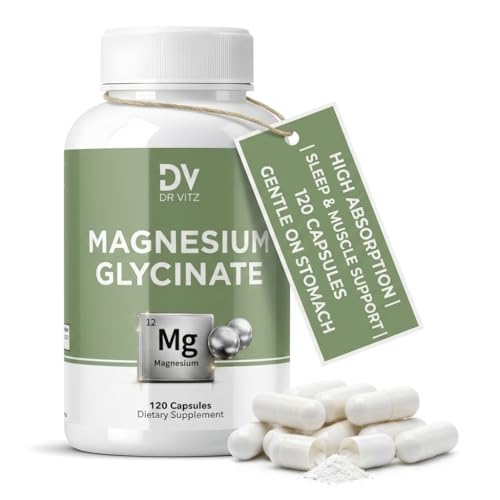
Beyond Calcium and Magnesium: Other Factors for Bone Health
While magnesium and calcium are key, several other factors can influence bone mineral density. Dietary components like potassium intake and the body’s acid-base balance have been linked to bone health markers [8]. Environmental exposures, such as dietary cadmium, have also been associated with bone mineral density and fracture risk in women [9].
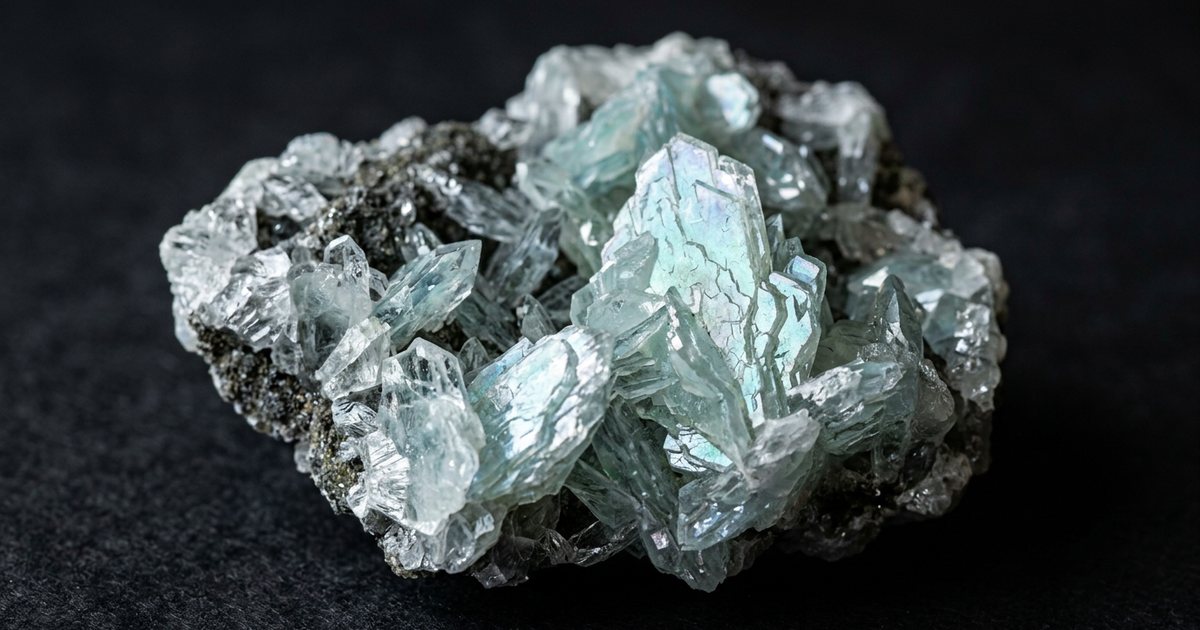
Lifestyle choices, including physical activity and specific complementary therapies like moxibustion, are also being investigated for their potential role in supporting bone health in postmenopausal women [10]. A holistic approach that considers diet, lifestyle, and other nutrients, alongside magnesium and calcium, is often recommended.


References
- Optimal nutrition: calcium, magnesium and phosphorus. The Proceedings of the Nutrition Society, 1999
- Relationship between PTH, sex steroid and bone turnover marker measurements and bone density in recently postmenopausal women. Maturitas, 2003
- Influence of dietetic and anthropometric factors and of the type of sport practised on bone density in different groups of women. European journal of clinical nutrition, 2003
- Minerals and Human Health: From Deficiency to Toxicity. Nutrients, 2025
- Associations of calcium and magnesium in serum and hair with bone mineral density in premenopausal women. Biological trace element research, 2007
- Modeling calcium and magnesium balance: effects of diuretics. American journal of physiology. Regulatory, integrative and comparative physiology, 2025
- Association between a Calcium-to-Magnesium Ratio and Osteoporosis among Puerto Rican Adults. The Journal of nutrition, 2023
- Low dietary potassium intakes and high dietary estimates of net endogenous acid production are associated with low bone mineral density in premenopausal women and increased markers of bone resorption in postmenopausal women. The American journal of clinical nutrition, 2005
- Associations between dietary cadmium exposure and bone mineral density and risk of osteoporosis and fractures among women. Bone, 2012
- Moxibustion as adjuvant therapy for preventing bone loss in postmenopausal women: protocol for a randomised controlled trial. BMJ open, 2022
These statements have not been evaluated by the Food and Drug Administration. This information is not intended to diagnose, treat, cure, or prevent any disease. Content is for informational purposes only and is not medical advice; consult a qualified healthcare provider before starting any supplement. As an Amazon Associate we earn from qualifying purchases.
