Perimenopause is a significant life stage for many women, marked by hormonal shifts that can impact various bodily systems, including bone health. Maintaining strong bones is a key consideration during this time, and nutritional support plays an important role.
This article examines the current understanding of magnesium’s contribution to bone health, particularly for women navigating perimenopause. We’ll explore how magnesium glycinate, a form of magnesium bound to the amino acid glycine, [6][7][8] fits into the broader picture of supporting skeletal well-being.
Understanding Bone Health in Perimenopause
The perimenopausal period is characterized by fluctuating hormone levels, which can have a notable effect on bone metabolism. Estrogen, in particular, plays a critical role in maintaining bone density [1]. As estrogen levels begin to decline and become irregular, the balance between bone formation and bone resorption can shift, potentially leading to a gradual loss of bone mineral density.
Orthopedic health considerations are particularly important for women during this time due to these hormonal changes [1]. Focusing on nutritional and lifestyle strategies during perimenopause can be a proactive step in supporting bone integrity for the years ahead. Integrative approaches are often considered for perimenopausal women to support overall well-being, including bone health [2].
Magnesium’s Foundational Role in Bone Structure
Magnesium is an essential mineral involved in over 300 enzymatic reactions in the body, and lower magnesium levels have been linked to poorer bone health, though whether magnesium supplements improve bone is not settled [9][10]. A significant portion of the body’s magnesium is stored in the bones, where it contributes to their structural integrity.
Research note: A narrative review says most magnesium supplementation studies used citrate, carbonate or oxide at 250 to 1800 mg and all reported a benefit for bone mineral density and fracture risk; the review is narrative and does not pool trial data [9].
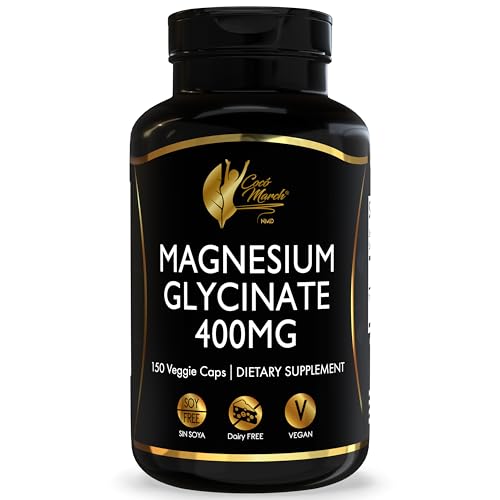
Beyond its structural role, magnesium is also involved in the regulation of calcium and vitamin D, two other critical nutrients for bone health. It plays a part in parathyroid hormone function, which helps regulate calcium levels in the blood and bones. Adequate magnesium levels are considered important for the proper utilization of calcium and vitamin D within the bone matrix.
Magnesium for Bone Density: What the Evidence Suggests
Research has explored the connection between various nutrients and bone density. For example, studies have indicated that certain nutritional factors, such as adequate calcium, fruit, vegetable nutrients, and even moderate alcohol intake, may be associated with beneficial effects on bone loss during the menopausal transition [3]. Conversely, high dietary estimates of net endogenous acid production and low dietary potassium intakes have been associated with lower bone mineral density in premenopausal women and increased markers of bone resorption in postmenopausal women [4].
While these studies highlight the broad impact of nutrition, magnesium’s specific contribution to bone density has been a consistent area of focus. Maintaining sufficient magnesium levels is considered an important aspect of a comprehensive approach to supporting bone health, especially as women navigate perimenopause and beyond. A meta-analysis in adults aged 60 and over linked higher magnesium intake to higher hip bone mineral density but found no association with fractures, and a narrative review called the data on whether magnesium supplements help bone health inconclusive [11][10].
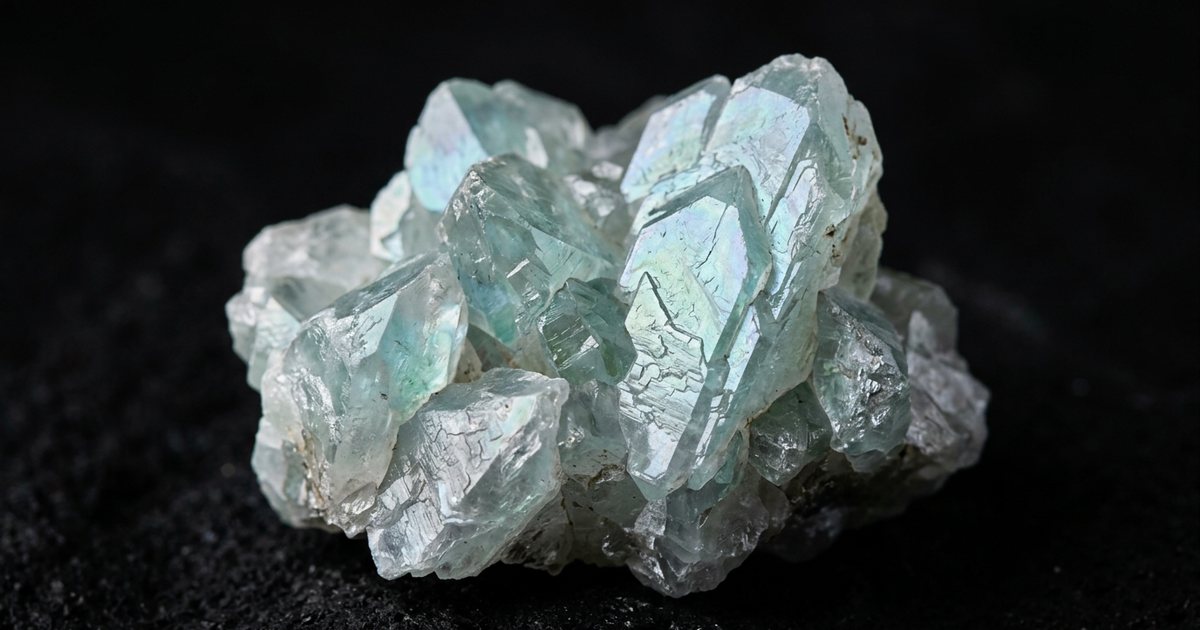
Magnesium Intake and Bone Mineral Density in Women
Research has investigated the association between dietary magnesium intake and bone mineral density (BMD). One study involving young adult women found no clear association between magnesium intake and bone mineral density, particularly once calcium intake was taken into account [13]. Calcium intake appears to be an important factor to account for when studying magnesium and bone mass in young women.
Further evidence comes from the Women’s Health Initiative Observational Study, which examined magnesium intake, BMD, and fractures in a large cohort of postmenopausal women. The findings indicated an association between higher magnesium intake and higher bone mineral density in women [14]. This is observational data, so it shows a link and cannot show that magnesium raised bone density. A meta-analysis in adults aged 60 and over also linked higher magnesium intake to higher hip bone mineral density but found no association with fractures [11].
Another study observed a positive correlation between serum magnesium levels and bone mineral density in women aged 60-79 years, suggesting that even within the normal range, higher magnesium levels might be associated with better bone status [15]. These findings collectively highlight magnesium as a factor potentially influencing bone density in women across different life stages.
Why Magnesium Glycinate?
When considering magnesium supplementation, the form of magnesium can influence its absorption and tolerability. Magnesium glycinate is a chelated form of magnesium, meaning magnesium is bound to the amino acid glycine. This binding is thought to enhance its absorption in the digestive tract and may reduce the likelihood of digestive discomfort that can sometimes be associated with other forms of magnesium.
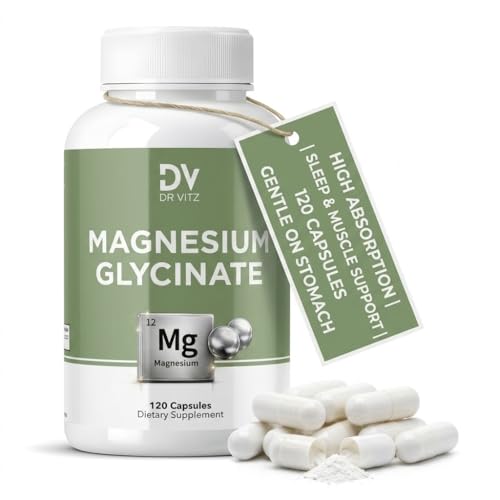
For women seeking to support bone health during perimenopause, a form that tends to be gentle on the stomach, like magnesium glycinate, may offer a practical way to help maintain adequate magnesium levels. NIH names aspartate, citrate, lactate and chloride, not glycinate, as better absorbed than oxide, and in one randomized trial citrate gave the highest serum magnesium compared with an amino acid chelate and oxide, so the idea that glycinate is absorbed best is not settled [6][12][7].
Integrating Magnesium Glycinate into a Bone Health Strategy
Supporting strong bones during perimenopause involves a multifaceted approach. In addition to considering magnesium for bone density, other factors are important. Regular weight-bearing exercise, such as Tai Chi Rouli Ball exercise, has been shown to have positive effects on bone mineral content and bone metabolism indicators in perimenopausal women [5].
Dietary intake of calcium, fruits, and vegetables are also important considerations [3]. A balanced diet rich in a variety of nutrients, combined with an active lifestyle, forms the cornerstone of bone health. Magnesium glycinate can be considered as part of a broader nutritional strategy, aiming to ensure sufficient magnesium intake to support overall skeletal well-being during this transitional phase.


References
- CRITICAL IMPLICATIONS OF FEMALE BONE METABOLISM IN ORTHOPEDICS: STATE OF THE ART. Journal of ISAKOS : joint disorders & orthopaedic sports medicine, 2026
- Integrative approaches to perimenopause. The American journal of medicine, 2026
- Nutritional associations with bone loss during the menopausal transition: evidence of a beneficial effect of calcium, alcohol, and fruit and vegetable nutrients and of a detrimental effect of fatty acids. The American journal of clinical nutrition, 2004
- Low dietary potassium intakes and high dietary estimates of net endogenous acid production are associated with low bone mineral density in premenopausal women and increased markers of bone resorption in postmenopausal women. The American journal of clinical nutrition, 2005
- The Effects of Tai Chi Rouli Ball Exercise on Bone Mineral Content and Bone Metabolism Indicators in Perimenopausal Women. Journal of clinical densitometry : the official journal of the International Society for Clinical Densitometry, 2024
- NIH Office of Dietary Supplements Magnesium: Fact Sheet for Health Professionals. NIH Office of Dietary Supplements (2026). source
- Walker AF et al. Mg citrate found more bioavailable than other Mg preparations in a randomised, double-blind study. Magnesium research (2003). PMID 14596323
- Schuette SA et al. Bioavailability of magnesium diglycinate vs magnesium oxide in patients with ileal resection. JPEN. Journal of parenteral and enteral nutrition (1994). PMID 7815675
- Mariangela Rondanelli et al. An update on magnesium and bone health. BioMetals (2021). PMID 33959846
- Capozzi A et al. Calcium, vitamin D, vitamin K2, and magnesium supplementation and skeletal health. Maturitas (2020). PMID 32972636
- Groenendijk I et al. Impact of magnesium on bone health in older adults: A systematic review and meta-analysis. Bone (2022). PMID 34666201
- NIH Office of Dietary Supplements Magnesium: Fact Sheet for Consumers. NIH Office of Dietary Supplements (2026). source
- Magnesium intake and bone mineral density in young adult women. Magnesium research, 2007
- Magnesium intake, bone mineral density, and fractures: results from the Women’s Health Initiative Observational Study. The American journal of clinical nutrition, 2014
- Bone mineral density, serum albumin and serum magnesium. Journal of the American College of Nutrition, 2004
These statements have not been evaluated by the Food and Drug Administration. This information is not intended to diagnose, treat, cure, or prevent any disease. Content is for informational purposes only and is not medical advice; consult a qualified healthcare provider before starting any supplement. As an Amazon Associate we earn from qualifying purchases.
