As women navigate midlife and the changes of menopause, maintaining overall health, including eye health, becomes a priority. While many nutrients are recognized for their role in vision, the specific connection between magnesium and eye health is an area of ongoing research.
This article will explore what current evidence suggests about magnesium’s potential involvement in various aspects of eye function. We will look at findings related to conditions such as glaucoma and dry eye, acknowledging that research in this area is still limited.
Magnesium: An Essential Mineral for Overall Body Function
Magnesium is a vital mineral involved in hundreds of bodily processes, from nerve and muscle function to energy production. Its widespread influence means that maintaining adequate magnesium levels is important for many aspects of health.
While its role in bone health and muscle relaxation is well-documented, its specific impact on the intricate systems of the eye is an area that continues to be investigated. Understanding its general importance can help us appreciate its potential, even where specific eye-related evidence is still developing.
Magnesium and Glaucoma: An Area of Interest
Glaucoma is a group of eye conditions that can damage the optic nerve, often associated with elevated pressure inside the eye. Researchers have been exploring various factors that might influence glaucoma development and progression, including nutritional elements like magnesium [1].
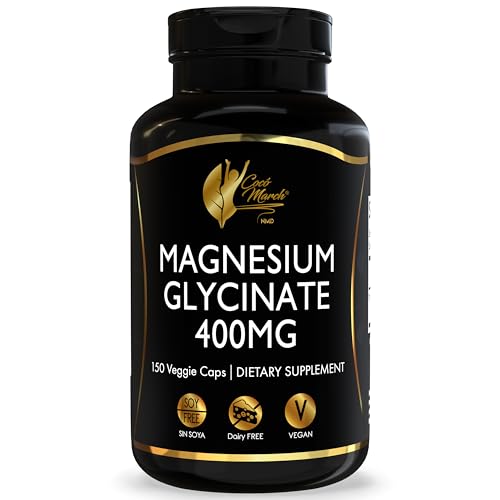
Some studies suggest that magnesium may have a role in primary open-angle glaucoma [1]. It has been suggested that magnesium could potentially influence blood flow to the optic nerve, which is a factor in glaucoma [2]. Additionally, there’s been exploration into the association between dietary consumption of minerals, including magnesium, and glaucoma [3].
Furthermore, research has explored the feasibility of using biodegradable magnesium alloy in glaucoma drainage devices, indicating an interest in magnesium’s properties within ophthalmology [4]. However, it’s important to remember that these are areas of ongoing investigation, and the precise role of magnesium in managing or influencing glaucoma is still being understood.
Exploring Magnesium’s Connection to Dry Eye Disease
Dry eye disease is a common condition, particularly among women in midlife and menopause, characterized by discomfort due to insufficient or poor-quality tears. The mechanisms involved in dry eye disease are complex, involving various components of the eye surface.
Ion channels play a role in dry eye disease [5]. While magnesium is known to influence ion channel function in other parts of the body, direct, strong evidence specifically linking magnesium supplementation to improvements in dry eye symptoms or underlying mechanisms is still limited. More research is needed to clarify any potential direct relationship.
Nutritional Factors and Ocular Health
Beyond specific conditions, broader nutritional factors are recognized for their influence on ocular diseases. A narrative literature review highlighted associations between nutritional factors and various eye conditions [6]. This suggests that a generally nutrient-rich diet, which includes essential minerals like magnesium, may contribute to overall eye wellness.

While magnesium is an essential nutrient, its specific and direct impact on general vision health outside of particular conditions like glaucoma is not yet clearly defined by robust evidence. Maintaining a balanced intake of all essential nutrients is generally recommended for overall health, including supporting the complex systems of the eye.
Safety and Considerations for Magnesium Supplementation
For women considering magnesium supplementation, especially during midlife and menopause, it’s important to be aware of safety considerations. While magnesium glycinate is generally well-tolerated, excessive intake can lead to side effects.
It’s also crucial to remember that some medical conditions, such as familial hypomagnesemia with hypercalciuria and nephrocalcinosis, can involve magnesium imbalances [7]. Therefore, any decision about supplementation should be made in consultation with a healthcare provider, particularly for individuals with existing health conditions or those taking other medications.

References
- Magnesium and Its Role in Primary Open Angle Glaucoma; A Novel Therapeutic?. Frontiers in ophthalmology, 2022
- The Role of Magnesium in the Pathogenesis and Treatment of Glaucoma. International scholarly research notices, 2014
- Association between dietary calcium, potassium, and magnesium consumption and glaucoma. PloS one, 2023
- A feasibility study of using biodegradable magnesium alloy in glaucoma drainage device. International journal of ophthalmology, 2018
- Ion channels in dry eye disease. Indian journal of ophthalmology, 2023
- Associations Between Nutritional Factors, Obesity and Ocular Diseases: A Narrative Literature Review. Nutrients, 2025
- Familial hypomagnesemia with hypercalciuria and nephrocalcinosis. Pediatric nephrology (Berlin, Germany), 2021
These statements have not been evaluated by the Food and Drug Administration. This information is not intended to diagnose, treat, cure, or prevent any disease. Content is for informational purposes only and is not medical advice; consult a qualified healthcare provider before starting any supplement. As an Amazon Associate we earn from qualifying purchases.
