Brain fog during perimenopause is one of the most disorienting symptoms women describe, the sense of reaching for a word that will not come, walking into a room and forgetting why, or losing the thread of a conversation mid-sentence. Magnesium glycinate is the form most associated with this site’s coverage of sleep and calm, but a different compound, magnesium L-threonate, has been developed specifically for its ability to raise magnesium levels inside brain tissue rather than just the bloodstream.
This article looks at what makes magnesium L-threonate structurally different from glycinate, what the underlying research actually measured, and where the evidence stops and marketing claims begin.
This article may contain affiliate links. If you purchase through these links, we may earn a commission at no additional cost to you.
What Magnesium L-Threonate Is
Magnesium L-threonate is a compound formed by binding magnesium to threonic acid, a metabolite of vitamin C. It is most commonly sold under the branded ingredient name Magtein. The compound was developed by researchers at MIT and Tsinghua University who were looking for a magnesium delivery form that could meaningfully raise magnesium concentrations in cerebrospinal fluid, something most oral magnesium forms, including glycinate, do only marginally because the blood brain barrier tightly regulates how much magnesium reaches neural tissue [1].
What the Foundational Research Showed
The 2010 study that introduced magnesium L-threonate compared it against magnesium chloride in rodents and found that only the threonate-bound form raised magnesium levels in cerebrospinal fluid meaningfully, alongside improvements in measures of learning, working memory, and short and long term memory [1]. The researchers linked this to increased density of synaptic connections in memory-related regions of the hippocampus.
A later human trial in healthy adults using a Magtein-based formula reported improvements in several cognitive test measures, including executive function and attention, over a 12-week period compared to placebo [2]. This is one of the few controlled human trials on the ingredient, and while promising, it involved a proprietary blended formula rather than magnesium L-threonate in isolation, which makes it harder to know how much of the effect came from magnesium L-threonate specifically versus the other ingredients in the blend.
How It Differs From Magnesium Glycinate
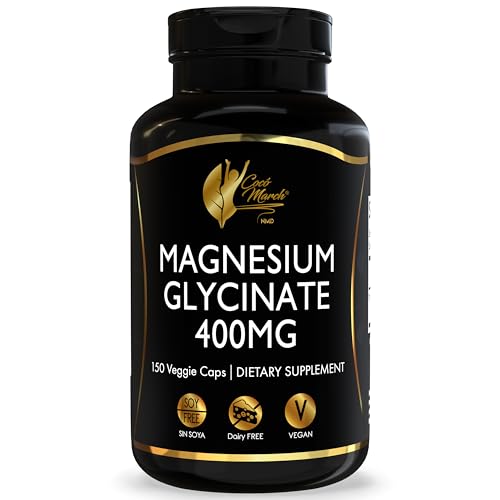
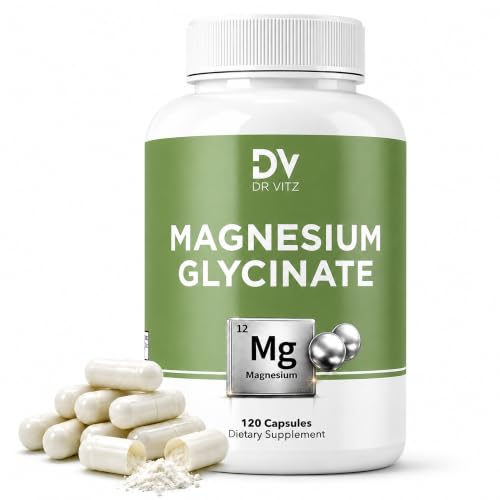
Magnesium glycinate is bound to the amino acid glycine, which has its own calming properties and is well absorbed in the gut with a low likelihood of digestive upset. Its research base is centered on sleep quality, anxiety, and general magnesium repletion, the areas covered extensively elsewhere on this site.

Magnesium L-threonate’s research focus is narrower and more specific: cognitive performance and brain magnesium levels, rather than sleep or mood broadly. The two are not interchangeable for the same purpose. Someone using magnesium primarily to fall asleep faster has more supporting evidence with glycinate. Someone specifically targeting cognitive clarity or brain fog has a more direct, if smaller, evidence base with L-threonate.
What the Research Does Not Establish
It is worth being direct about the limits here. The animal data is the strongest part of the evidence base. The human data is limited to a small number of trials, often using proprietary blends rather than isolated magnesium L-threonate, and none of the available human research was conducted specifically in perimenopausal women experiencing brain fog. Extrapolating from healthy adult cognitive trials to menopause-related brain fog is a reasonable hypothesis, not a proven outcome.
Practical Considerations
Magnesium L-threonate supplements typically require a larger capsule count than glycinate to deliver a comparable elemental magnesium dose, since threonate contributes a larger share of the compound’s total weight. Cost per elemental milligram is also meaningfully higher than glycinate. Anyone considering a switch or an addition should factor in both of these before assuming L-threonate is simply a stronger version of what they are already taking.
Frequently Asked Questions
Can I take magnesium L-threonate and magnesium glycinate together?
Some people do combine a smaller L-threonate dose targeted at cognitive support with a glycinate dose targeted at sleep, but total elemental magnesium intake across all sources should stay within a sensible daily range. Talk to a healthcare provider before combining supplement forms, particularly if you take other medications.
Is magnesium L-threonate better than glycinate for brain fog?
It has a more directly relevant research focus, but the human evidence base is still small. Neither form has been studied specifically in perimenopausal brain fog, so better is not a settled question.
How long does it take to notice an effect?
The human trial referenced above measured outcomes over 12 weeks. Anecdotal reports online vary widely, and there is no clinical data establishing a reliable onset window.
Does magnesium L-threonate cause digestive side effects?
It is generally reported as gentle on the digestive system, similar to glycinate, and less likely to cause loose stools than magnesium oxide or citrate at equivalent elemental doses.
Is Magtein the only source of magnesium L-threonate?
Magtein is the patented, most-studied branded ingredient. Generic magnesium L-threonate exists but has not been directly tested in the published human trials referenced here.


References
- Enhancement of learning and memory by elevating brain magnesium. Neuron, 2010
- A Magtein, Magnesium L-Threonate, Based Formula Improves Brain Cognitive Functions in Healthy Chinese Adults. Nutrients, 2022
These statements have not been evaluated by the FDA. This product is not intended to diagnose, treat, cure, or prevent any disease.
These statements have not been evaluated by the Food and Drug Administration. This information is not intended to diagnose, treat, cure, or prevent any disease. Content is for informational purposes only and is not medical advice; consult a qualified healthcare provider before starting any supplement. As an Amazon Associate we earn from qualifying purchases.
