Navigating perimenopause can bring a range of new physical experiences, including muscle cramps and restless legs. Many women seek ways to support their well-being during this transitional phase.
This article explores the current understanding of magnesium’s potential role in addressing muscle cramps and restless legs, with a particular focus on perimenopause. We’ll examine the available evidence to provide a balanced perspective.
Understanding Muscle Cramps in Perimenopause
Muscle cramps, particularly in the legs, are a common complaint. While the exact causes can be varied, they often involve involuntary and painful contractions of muscles. During perimenopause, hormonal shifts and other physiological changes may contribute to their occurrence.
When considering interventions for muscle cramps, magnesium has frequently been investigated. However, the overall evidence for magnesium’s effectiveness in addressing general skeletal muscle cramps has been mixed. A 2020 systematic review by Cochrane concluded that there is insufficient evidence to determine if magnesium supplementation is effective for treating skeletal muscle cramps in adults [1]. An earlier Cochrane review from 2012 also reached a similar conclusion [2].
Some research has explored specific types of muscle cramps. For instance, a randomized, double-blind, placebo-controlled study in 2021 assessed magnesium oxide monohydrate for nocturnal leg cramps but did not find it to be effective [3]. It’s important to note that the effectiveness can vary depending on the specific form of magnesium and the population studied. For example, some studies have focused on pregnancy-related leg cramps, where a meta-analysis of randomized controlled trials suggested that oral magnesium supplementation might help relieve leg cramps during pregnancy [4], a finding also noted in a 2020 Cochrane review on interventions for leg cramps in pregnancy [5]. While these findings are specific to pregnancy, they highlight the ongoing research into magnesium’s potential roles.
Magnesium and Restless Legs Syndrome (RLS) in Midlife
Restless Legs Syndrome (RLS) is a neurological disorder characterized by an irresistible urge to move the legs, often accompanied by uncomfortable sensations. These symptoms typically worsen during periods of rest or inactivity, especially in the evening or night, and can significantly disrupt sleep. While RLS can affect anyone, its prevalence may increase with age, and hormonal changes during perimenopause could potentially influence its presentation.
Research into magnesium for RLS is ongoing. An open-label pilot study published in 2024 explored magnesium citrate monotherapy and found that it improved RLS symptoms and multiple suggested immobilization test scores [6]. This suggests a potential benefit, though it was an open-label pilot study, meaning further larger and controlled studies are needed to confirm these findings. The form of magnesium used in this study was magnesium citrate.

Other research has investigated the relationship between magnesium levels and RLS. For example, a case-control study found differences in zinc and magnesium levels in pregnant women with RLS compared to those without [7]. Similarly, a 2022 study found that serum trace element concentrations, including magnesium, differed in patients with RLS compared to controls [8]. While these studies indicate a potential connection between magnesium status and RLS, they do not establish a direct cause-and-effect relationship or confirm that supplementation will alleviate symptoms for everyone. It is worth noting that RLS can also be more common during pregnancy, as observed in a prospective case control questionnaire study on pregnant women [9].
Why Magnesium Glycinate?
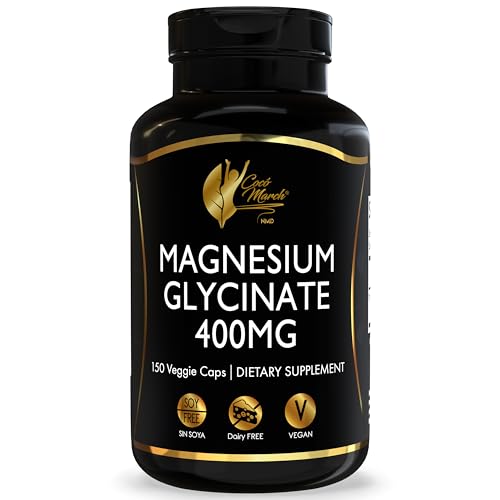
Magnesium glycinate is a form of magnesium where magnesium is bound to the amino acid glycine. This chelated form is often chosen for its reported bioavailability and gentler effect on the digestive system compared to some other forms of magnesium. While the existing research on muscle cramps and RLS has explored various forms of magnesium, the specific benefits of magnesium glycinate in these contexts are still being actively investigated.
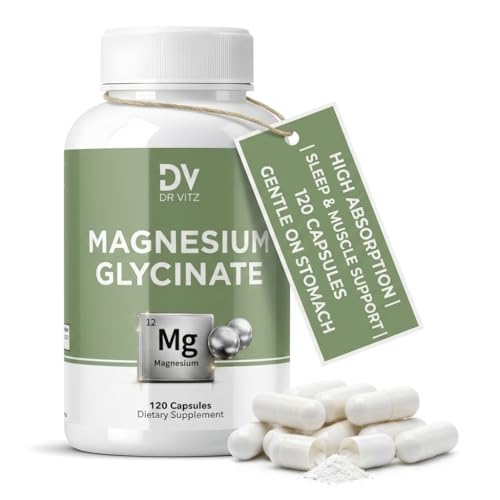
The glycine component itself is an amino acid that plays a role in various bodily functions, including neurotransmission. Some individuals find that the combination of magnesium and glycine may offer additional benefits, particularly for relaxation and sleep support. However, direct comparative studies specifically on magnesium glycinate for muscle cramps or RLS against other magnesium forms are limited in the provided evidence.

General Considerations for Magnesium Intake
Magnesium is an essential mineral involved in over 300 enzymatic reactions in the body, including those related to muscle and nerve function, blood glucose control, and blood pressure regulation. Maintaining adequate magnesium levels is important for overall health, especially during transitional life stages like perimenopause.
Dietary sources of magnesium include leafy green vegetables, nuts, seeds, legumes, whole grains, and dark chocolate. For some individuals, dietary intake alone may not be sufficient, leading them to consider supplementation. However, the body’s electrolyte balance is complex, and an electrolyte beverage consumption has been shown to alter the electrically induced cramping threshold in some studies [10], highlighting the intricate nature of mineral balance.


References
- Magnesium for skeletal muscle cramps. The Cochrane database of systematic reviews, 2020
- Magnesium for skeletal muscle cramps. The Cochrane database of systematic reviews, 2012
- A randomized, double-blind, placebo-controlled, multicenter study assessing the efficacy of magnesium oxide monohydrate in the treatment of nocturnal leg cramps. Nutrition journal, 2021
- Effect of oral magnesium supplementation for relieving leg cramps during pregnancy: A meta-analysis of randomized controlled trials. Taiwanese journal of obstetrics & gynecology, 2021
- Interventions for leg cramps in pregnancy. The Cochrane database of systematic reviews, 2020
- Magnesium citrate monotherapy improves restless legs syndrome symptoms and multiple suggested immobilization test scores in an open-label pilot study. Journal of clinical sleep medicine : JCSM : official publication of the American Academy of Sleep Medicine, 2024
- Zinc and Magnesium Levels of Pregnant Women with Restless Leg Syndrome and Their Relationship with Anxiety: A Case-Control Study. Biological trace element research, 2021
- Serum Trace Elements Concentrations in Patients with Restless Legs Syndrome. Antioxidants (Basel, Switzerland), 2022
- A prospective case control questionnaire study for restless leg syndrome on 600 pregnant women. The journal of maternal-fetal & neonatal medicine : the official journal of the European Association of Perinatal Medicine, the Federation of Asia and Oceania Perinatal Societies, the International Society of Perinatal Obstetricians, 2017
- Electrolyte beverage consumption alters electrically induced cramping threshold. Muscle & nerve, 2019
These statements have not been evaluated by the Food and Drug Administration. This information is not intended to diagnose, treat, cure, or prevent any disease. Content is for informational purposes only and is not medical advice; consult a qualified healthcare provider before starting any supplement. As an Amazon Associate we earn from qualifying purchases.
