Ready to buy? Check current prices on Amazon and compare deals before you decide.
You’ve heard the buzz about magnesium, especially magnesium glycinate. Perhaps you’re struggling with restless nights, persistent muscle cramps, or the heightened anxiety that often accompanies perimenopause. With so many forms of magnesium on the market, each promising different benefits, it’s easy to feel overwhelmed. How much magnesium glycinate should you actually take, when’s the best time, and what about safety?
This comprehensive guide cuts through the confusion, offering clear, evidence-based answers specifically for magnesium glycinate dosage. We’ll demystify its benefits, compare it to other popular forms, and provide practical advice for incorporating it safely into your routine by 2026 standards.
As an Amazon Associate, MagnesiumHub may earn from qualifying purchases made through links on this page. This helps support our research and content creation, at no extra cost to you.
Understanding Magnesium Glycinate: Why It Stands Out
Magnesium glycinate is a chelated form of magnesium, meaning magnesium is bound to the amino acid glycine. This unique binding is key to its high bioavailability and gentle impact on the digestive system. Unlike some other magnesium forms, magnesium glycinate is known for being less likely to cause laxative effects.
The glycine component itself offers additional benefits. Glycine is an inhibitory neurotransmitter that can promote relaxation and improve sleep quality. This dual action makes magnesium glycinate a popular choice for those seeking relief from anxiety, insomnia, and muscle tension.

Magnesium Glycinate vs. Other Popular Magnesium Forms: A Quick Comparison
The sheer number of magnesium supplements can be daunting. Understanding the differences is crucial for choosing the best one for your specific needs. Here’s how magnesium glycinate compares to some common alternatives.
| Magnesium Form | Primary Benefit/Use | Bioavailability | Common Side Effects |
|---|---|---|---|
| Magnesium Glycinate | Sleep, anxiety, muscle relaxation, perimenopause support | High | Generally well-tolerated, minimal digestive upset |
| Magnesium Citrate | Constipation relief, general magnesium deficiency | Moderate to High | Can cause loose stools or diarrhea in higher doses |
| Magnesium Oxide | Heartburn, constipation (laxative effect) | Low | Significant laxative effect, poor absorption for systemic benefits |
| Magnesium Malate | Energy production, muscle pain, fibromyalgia | Moderate to High | Generally well-tolerated |
| Magnesium Threonate | Cognitive function, brain health | High (crosses blood-brain barrier) | Generally well-tolerated |
Magnesium glycinate is the usual pick for sleep, anxiety and muscle relaxation, mainly because it causes fewer digestive complaints than oxide or citrate at the same dose. On absorption it is on a par with other organic forms rather than ahead of them: citrate outperformed both oxide and an amino-acid chelate on serum magnesium in a 60-day randomized trial[6], and no dedicated human bioavailability trial of magnesium glycinate has been published.
Magnesium Glycinate Dosage for Sleep, Anxiety, and Muscle Cramps
Establishing the right dosage for magnesium glycinate depends on your individual needs and current magnesium status. The Recommended Dietary Allowance (RDA) for magnesium for adult women ranges from 310 mg to 320 mg per day, increasing slightly during pregnancy. However, therapeutic doses for specific conditions may be higher.
Most research and clinical experience suggest a starting dose for magnesium glycinate between 100 mg and 200 mg of elemental magnesium per day. This allows your body to adjust and helps you assess its effects. Many individuals find benefit at doses ranging from 200 mg to 400 mg daily for conditions like sleep disturbances, anxiety, and muscle cramps.
Dosage for Improved Sleep Quality
Magnesium plays a crucial role in regulating neurotransmitters involved in sleep, such as GABA. It also helps relax muscles and calm the nervous system. A double-blind placebo-controlled trial in 46 older adults with primary insomnia found that magnesium supplementation improved insomnia severity scores, sleep efficiency and sleep onset latency, although total sleep time did not differ significantly between the groups[2]. That trial used 500 mg per day, which is above the supplemental upper limit discussed below. In healthy adults sleeping poorly, 250 mg of elemental magnesium as bisglycinate produced a statistically significant but modest reduction in insomnia severity over four weeks[3].
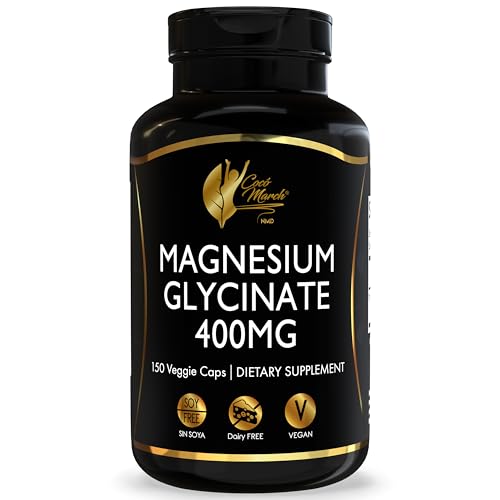

For sleep, a common and effective magnesium glycinate dosage is 200-400 mg of elemental magnesium taken about 30-60 minutes before bedtime. The glycine component further supports relaxation and sleep initiation. Start with a lower dose and gradually increase if needed, observing your body’s response.
Dosage for Anxiety Reduction
Magnesium is often called “nature’s tranquilizer” due to its ability to modulate the stress response. It helps regulate the HPA axis (hypothalamic-pituitary-adrenal axis), which is central to stress management. Magnesium status is associated with subjective anxiety, and a systematic review of 18 supplementation studies found a suggestive benefit in groups already vulnerable to anxiety, while rating the quality of that evidence as poor[4].
For anxiety, a daily magnesium glycinate dosage of 200-400 mg, often split into two doses (e.g., morning and evening), is frequently recommended. The chelated form is gentle enough for daytime use without causing drowsiness in most individuals. Consistency is key for managing chronic anxiety.
Dosage for Muscle Cramps and Restless Legs
Magnesium is essential for proper muscle function, including contraction and relaxation. A deficiency can lead to increased muscle excitability, resulting in cramps, spasms, and restless legs syndrome. Magnesium helps block calcium channels, preventing excessive muscle contraction.
For muscle cramps and restless legs, a daily magnesium glycinate dosage of 200-400 mg is generally effective. Some individuals find relief by taking their dose in the evening, especially if cramps or restless legs primarily occur at night. Consistent supplementation over several weeks may be necessary to see significant improvement.

Magnesium Glycinate for Perimenopause and Bone Health
Perimenopause is a time of significant hormonal fluctuation, often accompanied by increased anxiety, sleep disturbances, and a decline in bone density. Magnesium plays a multifaceted role in supporting women during this transition. It helps regulate estrogen metabolism, supports mood, and is critical for bone health.
Magnesium is crucial for bone mineral density, working synergistically with calcium and Vitamin D. It helps convert Vitamin D into its active form and influences parathyroid hormone, both vital for calcium absorption and bone formation. Adequate magnesium intake is associated with stronger bones and a reduced risk of osteoporosis, a particular concern for women post-menopause.
For perimenopausal symptoms and bone health support, a daily magnesium glycinate dosage of 300-400 mg is often recommended. This range helps address the body’s increased needs during this period. Always consult with your healthcare provider to tailor supplementation to your specific health profile and existing conditions.
When to Take Magnesium Glycinate: Timing Your Dosage
The best time to take magnesium glycinate largely depends on why you’re taking it. Its gentle nature means it can be taken with or without food, though some prefer taking it with a meal to further minimize any potential stomach upset.

If your primary goal is to improve sleep, taking your full dose of magnesium glycinate about 30-60 minutes before bedtime is ideal. The calming effects of both magnesium and glycine can help prepare your body for rest. For general anxiety or muscle support throughout the day, splitting your dose into two smaller amounts, such as morning and evening, can provide more consistent relief.
For perimenopausal symptoms that span the day and night, a split dose may also be beneficial. Listening to your body and noting when you experience the most benefit is crucial for optimizing timing.
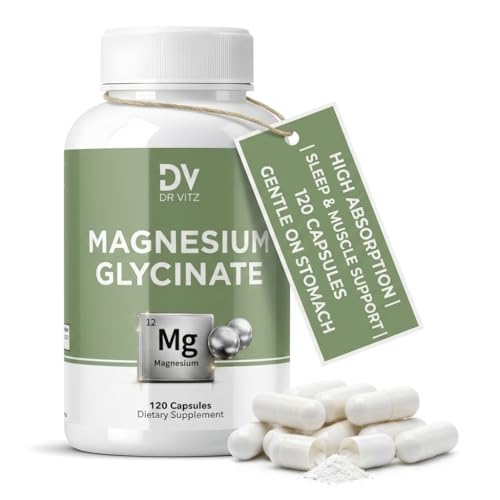
Magnesium (Glycinate) Dosage & Cost Calculator
Based on the labeled dose options for Pure Encapsulations Magnesium Glycinate 120mg and the published 180-count bottle at $46.50.
Open the full dosage & cost calculator →
Estimate only – based on the current listed price of the 180-count Pure Encapsulations Magnesium Glycinate 120mg bottle. Actual Amazon price can change; check the live price before buying.
Why no height/weight input? Unlike per-kg supplements (creatine, protein), Magnesium (Glycinate) has no published bodyweight-adjusted dosing in the research behind it. This calculator doesn't fabricate a per-kg formula that doesn't exist in the literature.
Get Pure Encapsulations Magnesium Glycinate 120mg on Amazon(paid link) As an Amazon Associate we earn from qualifying purchases.
Safety Notes and Potential Side Effects
Magnesium glycinate is generally considered safe and well-tolerated, especially when taken within recommended dosages. The Tolerable Upper Intake Level (UL) for supplemental magnesium in adults is 350 mg per day. It was set by the US Institute of Medicine in 1997, and the limiting factor was diarrhea rather than any serious toxicity[1]. This UL applies only to magnesium from supplements and does not include magnesium naturally found in food, because the intestine regulates how much dietary magnesium it absorbs.
Doses above the UL are sometimes used under professional guidance, and researchers have argued the 350 mg figure is due for re-evaluation on the basis of more recent diarrhea data[1]. That argument applies to magnesium supplementation generally. No trial has shown that glycinate in particular is safer above the UL than other well-absorbed forms, so it is not a reason to go higher on your own. Talk to a healthcare provider before exceeding the UL.
Common Side Effects
At appropriate doses, magnesium glycinate typically has minimal side effects. The most common adverse effect associated with magnesium supplementation, particularly with less absorbable forms, is gastrointestinal upset, including diarrhea, nausea, and abdominal cramping. Magnesium glycinate is generally chosen for its lower likelihood of causing these issues. The clearest contrast is with magnesium oxide, whose fractional absorption was measured at roughly 4 percent, leaving most of the dose in the gut[5].
If you experience any digestive discomfort, try reducing your dose or taking it with food. Mild drowsiness can occur in some individuals, especially when taking higher doses for sleep, which is often a desired effect.
When to Exercise Caution and Consult a Doctor
While magnesium glycinate is safe for most, certain conditions warrant caution or medical supervision. Individuals with kidney disease should avoid magnesium supplements unless specifically advised by their doctor, as impaired kidney function can lead to magnesium accumulation and toxicity. Symptoms of magnesium toxicity (hypermagnesemia) can include nausea, vomiting, lethargy, impaired breathing, and cardiac arrest in severe cases.
Magnesium can interact with certain medications, including some antibiotics (tetracyclines and quinolones), diuretics, and proton pump inhibitors. Always inform your healthcare provider about all supplements you are taking. Pregnant or breastfeeding women should also consult their doctor before starting any new supplement regimen.
Choosing the Best Magnesium Glycinate Supplement
With a growing market, selecting a high-quality magnesium glycinate supplement is important. Look for products that clearly state the amount of “elemental magnesium” per serving, not just the total magnesium glycinate compound. This allows for accurate dosing.

Consider supplements that are third-party tested for purity and potency. This ensures the product contains what it claims and is free from contaminants. Reputable brands often make their third-party testing results available.

What to Look for on Amazon
When searching for magnesium glycinate on Amazon, focus on these key characteristics:
High Absorption Magnesium Glycinate Capsules: Look for products specifically labeled as “magnesium glycinate” or “bisglycinate” for optimal absorption and gentleness. Check the elemental magnesium content per capsule or serving.
Third-Party Tested Magnesium Supplements: Prioritize brands that mention third-party testing on their product pages or labels. This indicates a commitment to quality and safety.

Pure Magnesium Glycinate Powder: If you prefer to avoid capsules or adjust your dose precisely, powdered forms are an excellent option. Ensure it’s 100% magnesium glycinate with no unnecessary fillers.
Conclusion
Magnesium glycinate is a well-tolerated form of magnesium, and the form with the clearest trial evidence for sleep specifically[3]. Its gentle digestive profile is the main practical reason to prefer it; its absorption is comparable to other well-absorbed forms rather than better than all of them.
By understanding the recommended dosages, optimal timing, and important safety considerations, you can confidently integrate magnesium glycinate into your wellness routine. Always remember to consult with a healthcare professional to personalize your supplementation plan and ensure it aligns with your overall health needs.
Frequently Asked Questions (FAQ)
What is the best time of day to take magnesium glycinate?
For sleep benefits, take it 30-60 minutes before bedtime. For anxiety or general muscle support, you can split the dose and take it in the morning and evening.
Can I take magnesium glycinate every day?
Yes, magnesium glycinate is safe for daily use within recommended dosages. Consistent daily intake is often necessary to replenish magnesium stores and experience ongoing benefits.
How long does it take for magnesium glycinate to work for sleep?
Some individuals report feeling calmer and sleeping better after the first dose. For more significant and consistent improvements in sleep quality, it may take a few days to a few weeks of regular supplementation.
Is 400 mg of magnesium glycinate too much?
For many adults, 400 mg of elemental magnesium from glycinate is a common and effective therapeutic dose, especially for sleep or anxiety. However, the Tolerable Upper Intake Level (UL) for supplemental magnesium is 350 mg. It’s best to consult your doctor before consistently exceeding the UL.
Can magnesium glycinate cause weight gain?
There is no evidence to suggest that magnesium glycinate directly causes weight gain. In fact, by improving sleep and reducing stress, it may indirectly support healthy weight management.
Can I take magnesium glycinate with other supplements?
Generally, yes, but it’s always wise to discuss your full supplement regimen with your healthcare provider. Magnesium works well with Vitamin D and calcium for bone health, but high doses of zinc might interfere with magnesium absorption over time.

These statements have not been evaluated by the FDA. This product is not intended to diagnose, treat, cure, or prevent any disease.
References
- Perspective: Call for Re-evaluation of the Tolerable Upper Intake Level for Magnesium Supplementation in Adults. Adv Nutr, 2023
- The effect of magnesium supplementation on primary insomnia in elderly: A double-blind placebo-controlled clinical trial. J Res Med Sci, 2012
- Magnesium Bisglycinate Supplementation in Healthy Adults Reporting Poor Sleep: A Randomized, Placebo-Controlled Trial. Nat Sci Sleep, 2025
- The Effects of Magnesium Supplementation on Subjective Anxiety and Stress-A Systematic Review. Nutrients, 2017
- Bioavailability of US commercial magnesium preparations. Magnes Res, 2001
- Mg citrate found more bioavailable than other Mg preparations in a randomised, double-blind study. Magnes Res, 2003
These statements have not been evaluated by the Food and Drug Administration. This information is not intended to diagnose, treat, cure, or prevent any disease. Content is for informational purposes only and is not medical advice; consult a qualified healthcare provider before starting any supplement. As an Amazon Associate we earn from qualifying purchases.
