Ready to buy? Check current prices on Amazon and compare deals before you decide.
You’ve heard about magnesium, perhaps from a friend, a doctor, or an online article. You might be experiencing restless nights, muscle cramps that disrupt your day, or a persistent feeling of anxiousness, especially as you navigate the changes of perimenopause. When you start researching, however, you quickly discover a bewildering array of magnesium supplements: magnesium citrate, magnesium oxide, magnesium malate, and then there’s magnesium glycinate. What exactly is magnesium glycinate, and is it the right choice for your specific needs?
This comprehensive guide from MagnesiumHub will cut through the confusion, explaining what magnesium glycinate is, how it works, and what the latest research says about its benefits for sleep, muscle health, anxiety, and bone density. We’ll compare it directly with other popular forms to help you make an informed decision.
(Note: MagnesiumHub may earn a commission from qualifying purchases made through links on this page. This helps support our research and content creation.)
What is Magnesium Glycinate? Understanding the Science
Magnesium glycinate is a chelated form of magnesium. This means magnesium is bound to glycine, an amino acid, to create a single compound.
This chelation process is key to its effectiveness. Glycine acts as a carrier, helping the magnesium pass through the intestinal wall more efficiently and with less digestive upset compared to other forms.
The glycine itself also offers its own benefits, playing a role as an inhibitory neurotransmitter in the brain. This dual action makes magnesium glycinate particularly interesting for supporting relaxation and sleep.
Why Magnesium Glycinate is Often Recommended: Bioavailability Explained
When you take a magnesium supplement, the most important factor is how much of that magnesium your body actually absorbs and uses. This is known as bioavailability.
Magnesium glycinate is highly regarded for its excellent bioavailability. The chelated structure protects the magnesium from interacting with other compounds in the gut that might hinder absorption.
Studies suggest that chelated forms like glycinate are absorbed more effectively than non-chelated forms such as magnesium oxide. This means a higher percentage of the magnesium you consume reaches your bloodstream and cells where it can perform its essential functions.
Magnesium Glycinate for Sleep: Deeper Rest and Relaxation
Many women, especially those in their 40s and 50s, struggle with sleep disturbances. Magnesium glycinate has emerged as a popular choice for improving sleep quality due to its unique properties.
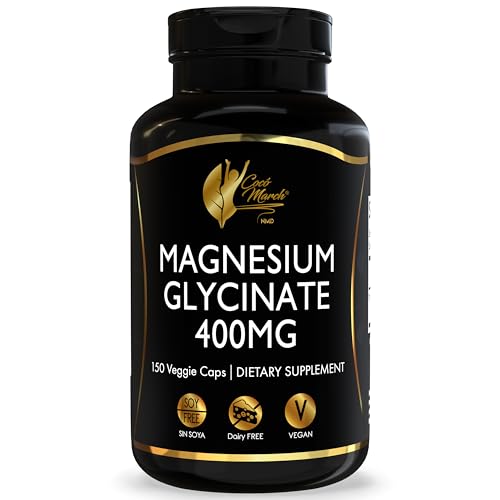
Magnesium plays a crucial role in regulating neurotransmitters that are directly involved in sleep. It helps activate the parasympathetic nervous system, which is responsible for calming the body and mind.
Specifically, magnesium binds to GABA (gamma-aminobutyric acid) receptors, a neurotransmitter that reduces nerve activity and promotes relaxation. The glycine component of magnesium glycinate further enhances this effect, as glycine itself is known to have calming properties and can improve sleep quality and reduce daytime sleepiness.

Research, including a 2012 study published in the Journal of Research in Medical Sciences, has shown that magnesium supplementation can improve subjective measures of insomnia, such as sleep efficiency, sleep time, and early morning awakening[1]. While more large-scale studies specifically on magnesium glycinate are ongoing, the combined effects of magnesium and glycine offer a promising natural approach to better sleep.

Magnesium Glycinate for Anxiety and Stress Reduction
The link between magnesium and mental well-being is well-established. Magnesium is a cofactor in over 300 enzymatic reactions, many of which are vital for nerve function and mood regulation.
A magnesium deficiency can lead to increased excitability in the nervous system, contributing to feelings of anxiety, irritability, and stress. Magnesium glycinate is particularly effective here due to its high bioavailability and the calming effects of glycine.
Glycine acts as an inhibitory neurotransmitter, helping to calm the brain and reduce overstimulation. This combined action helps to regulate the body’s stress response. A systematic review published in Nutrients in 2017 found the evidence suggestive of a benefit for subjective anxiety in vulnerable groups, while rating the quality of the underlying trials as poor[2].
Magnesium Glycinate for Muscle Cramps and Recovery
Muscle cramps are a common complaint, especially among active individuals and women experiencing hormonal shifts. Magnesium plays a critical role in muscle contraction and relaxation.
It helps regulate the movement of calcium and potassium across cell membranes, which is essential for proper muscle function. A deficiency can lead to muscle spasms, cramps, and restless legs syndrome.
By ensuring adequate magnesium levels, magnesium glycinate can help promote smooth muscle function and reduce the incidence of cramps. Its high absorption rate means the magnesium is readily available to muscle cells, aiding in recovery and reducing post-exercise soreness.
Magnesium Glycinate and Perimenopause: Supporting Hormonal Balance and Bone Health
Perimenopause brings a cascade of changes, from hot flashes and mood swings to disrupted sleep and accelerated bone loss. Magnesium is a vital mineral during this transition.
Magnesium is essential for estrogen detoxification and can help support a healthier hormonal balance. It also plays a crucial role in bone health, working alongside calcium and vitamin D to maintain bone density.
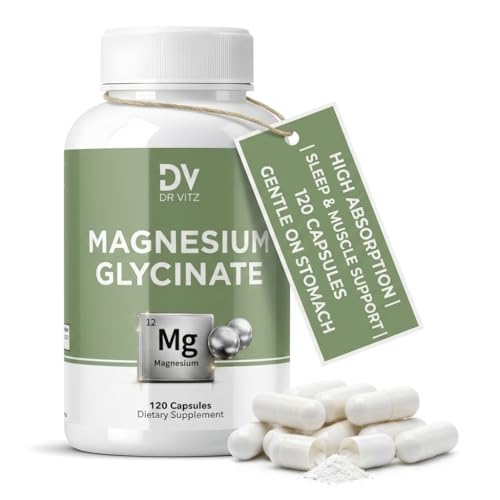
Approximately 50-60% of the body’s magnesium is stored in the bones. Adequate magnesium intake is associated with higher bone mineral density and a reduced risk of osteoporosis, a concern for many women post-menopause. The excellent bioavailability of magnesium glycinate ensures that this vital mineral is effectively delivered to support bone health during a critical time.
Magnesium Glycinate vs. Other Magnesium Forms: A Clear Comparison
Understanding the differences between magnesium forms is crucial for choosing the right supplement. Here’s how magnesium glycinate compares to other common types:
| Magnesium Form | Key Characteristics | Best For | Potential Side Effects |
|---|---|---|---|
| Magnesium Glycinate | Highly bioavailable, well-tolerated, calming effects from glycine. | Sleep, anxiety, muscle relaxation, general deficiency. | Rare, mild digestive upset. |
| Magnesium Citrate | Good bioavailability, osmotic laxative effect. | Constipation relief, general deficiency (if tolerates laxative effect). | Diarrhea, abdominal cramping. |
| Magnesium Oxide | Poor bioavailability (only 4% absorbed), strong laxative. | Constipation relief (short-term), heartburn. Not ideal for correcting deficiency. | Significant diarrhea, gastrointestinal distress. |
| Magnesium Malate | Good bioavailability, malic acid may support energy production. | Fatigue, muscle pain (fibromyalgia), general deficiency. | Mild digestive upset. |
| Magnesium Threonate | Unique ability to cross the blood-brain barrier. | Cognitive function, memory, brain health. | Mild drowsiness, headache. |
As you can see, magnesium glycinate stands out for its high absorption and gentle digestive profile, making it a versatile choice for a wide range of needs without the common laxative effects of other forms.


Dosage and Safety: How to Take Magnesium Glycinate
The recommended daily allowance (RDA) for magnesium varies by age and sex, typically ranging from 310-420 mg for adults. However, therapeutic dosages for specific concerns like sleep or anxiety may be higher, always under professional guidance.
Most magnesium glycinate supplements contain between 100-200 mg of elemental magnesium per capsule. It’s often recommended to start with a lower dose (e.g., 200 mg per day) and gradually increase as needed, observing your body’s response.
Magnesium glycinate is generally very well-tolerated. The most common side effect of excessive magnesium intake across all forms is diarrhea. However, due to its high absorption and gentle nature, magnesium glycinate rarely causes this unless taken in very high doses.
Always consult with your doctor before starting any new supplement, especially if you have pre-existing health conditions or are taking other medications. Magnesium can interact with certain antibiotics, diuretics, and heart medications.
Choosing the Best Magnesium Glycinate Supplement
When searching for a magnesium glycinate supplement, consider the following factors to ensure you’re getting a high-quality product:
Third-Party Tested: Look for brands that have their products tested by independent laboratories. This verifies the purity, potency, and absence of contaminants. You can often find this information on the product label or company website.
Elemental Magnesium Content: Pay attention to the “elemental magnesium” amount listed, not just the total magnesium glycinate amount. This indicates the actual quantity of magnesium your body will receive. A typical serving might provide 100-200 mg of elemental magnesium.
Minimal Fillers and Additives: Opt for supplements with a clean ingredient list, free from unnecessary binders, artificial colors, or flavors. This is especially important if you have sensitivities.

When searching on platforms like Amazon, you can look for keywords such as “pure magnesium glycinate capsules,” “chelated magnesium for sleep,” or “magnesium glycinate high absorption” to find reputable options.
Conclusion
Magnesium glycinate is a reasonable everyday choice for individuals seeking to improve sleep, reduce anxiety, alleviate muscle cramps, and support overall health, particularly during perimenopause. Its practical advantage is tolerability rather than absorption. Magnesium oxide really is poorly absorbed, with fractional absorption measured at about 4 percent[3], but glycinate has not been shown to beat the other well-absorbed forms. In a randomised, double-blind comparison in 46 adults over 60 days, magnesium citrate produced the greatest mean serum magnesium concentration of the preparations tested, ahead of the amino-acid chelate[4], and in a 2025 double-blind crossover study that compared bisglycinate directly against oxide and citrate, bisglycinate was the only form that did not significantly raise plasma magnesium[5]. Choose it because it is easy on the stomach and easy to take every day, not because it is absorbed better than everything else.
By understanding what magnesium glycinate is and how it differs from other supplements, you can confidently choose a form that aligns with your specific health goals. Always remember to consult with a healthcare professional before beginning any new supplement regimen.
Frequently Asked Questions
Is magnesium glycinate better than other forms of magnesium?
It is often marketed that way, but the head-to-head human data does not support it. Glycinate is much better absorbed than magnesium oxide, whose fractional absorption is only about 4 percent[3], yet it has not outperformed the other well-absorbed forms. Citrate produced the greatest mean serum magnesium in a randomised, double-blind, 60-day comparison in 46 adults[4], and bisglycinate was the only preparation that failed to significantly raise plasma magnesium in a 2025 crossover study against oxide and citrate[5]. Its real advantage is causing fewer digestive side effects than the laxative forms. For specific issues like constipation, magnesium citrate might be more effective, while magnesium L-threonate is preferred for cognitive benefits.
How long does it take for magnesium glycinate to work for sleep?
Some individuals report feeling the calming effects within 30-60 minutes of taking magnesium glycinate before bed. For more profound improvements in sleep quality, it may take a few days to a few weeks of consistent use to notice significant changes.
Can I take magnesium glycinate every day?
Yes, magnesium glycinate is safe for daily use for most healthy adults within recommended dosages. Consistent daily intake helps maintain optimal magnesium levels in the body.
Does magnesium glycinate have any side effects?
Magnesium glycinate is generally well-tolerated. The most common side effect, if taken in very high doses, is mild digestive upset. It is less likely to cause diarrhea compared to other forms like magnesium citrate or oxide.
Is magnesium glycinate good for perimenopause symptoms?
Yes, magnesium glycinate can be very beneficial during perimenopause. It helps with sleep disturbances, anxiety, muscle cramps, and supports bone health, all common concerns during this life stage.
Can magnesium glycinate interact with medications?
Yes, magnesium can interact with certain medications, including some antibiotics, diuretics, and heart medications. Always discuss any supplements with your doctor or pharmacist to ensure there are no potential interactions.
These statements have not been evaluated by the FDA. This product is not intended to diagnose, treat, cure, or prevent any disease.
References
- The effect of magnesium supplementation on primary insomnia in elderly: A double-blind placebo-controlled clinical trial. J Res Med Sci, 2012
- The Effects of Magnesium Supplementation on Subjective Anxiety and Stress-A Systematic Review. Nutrients, 2017
- Bioavailability of US commercial magnesium preparations. Magnesium research, 2002
- Mg citrate found more bioavailable than other Mg preparations in a randomised, double-blind study. Magnesium research, 2004
- Comparative Clinical Study on Magnesium Absorption and Side Effects After Oral Intake of Microencapsulated Magnesium (MAGSHAPETM Microcapsules) Versus Other Magnesium Sources. Nutrients, 2025
These statements have not been evaluated by the Food and Drug Administration. This information is not intended to diagnose, treat, cure, or prevent any disease. Content is for informational purposes only and is not medical advice; consult a qualified healthcare provider before starting any supplement. As an Amazon Associate we earn from qualifying purchases.
