Perimenopause is a significant life stage for many women, marked by hormonal shifts that can impact various bodily systems, including bone health. Maintaining strong bones is a key consideration during this time, and nutritional support plays an important role.
This article examines the current understanding of magnesium’s contribution to bone health, particularly for women navigating perimenopause. We’ll explore how magnesium glycinate, a well-absorbed form of magnesium, fits into the broader picture of supporting skeletal well-being.
Understanding Bone Health in Perimenopause
The perimenopausal period is characterized by fluctuating hormone levels, which can have a notable effect on bone metabolism. Estrogen, in particular, plays a critical role in maintaining bone density [1]. As estrogen levels begin to decline and become irregular, the balance between bone formation and bone resorption can shift, potentially leading to a gradual loss of bone mineral density.
Orthopedic health considerations are particularly important for women during this time due to these hormonal changes [1]. Focusing on nutritional and lifestyle strategies during perimenopause can be a proactive step in supporting bone integrity for the years ahead. Integrative approaches are often considered for perimenopausal women to support overall well-being, including bone health [2].
Magnesium’s Foundational Role in Bone Structure
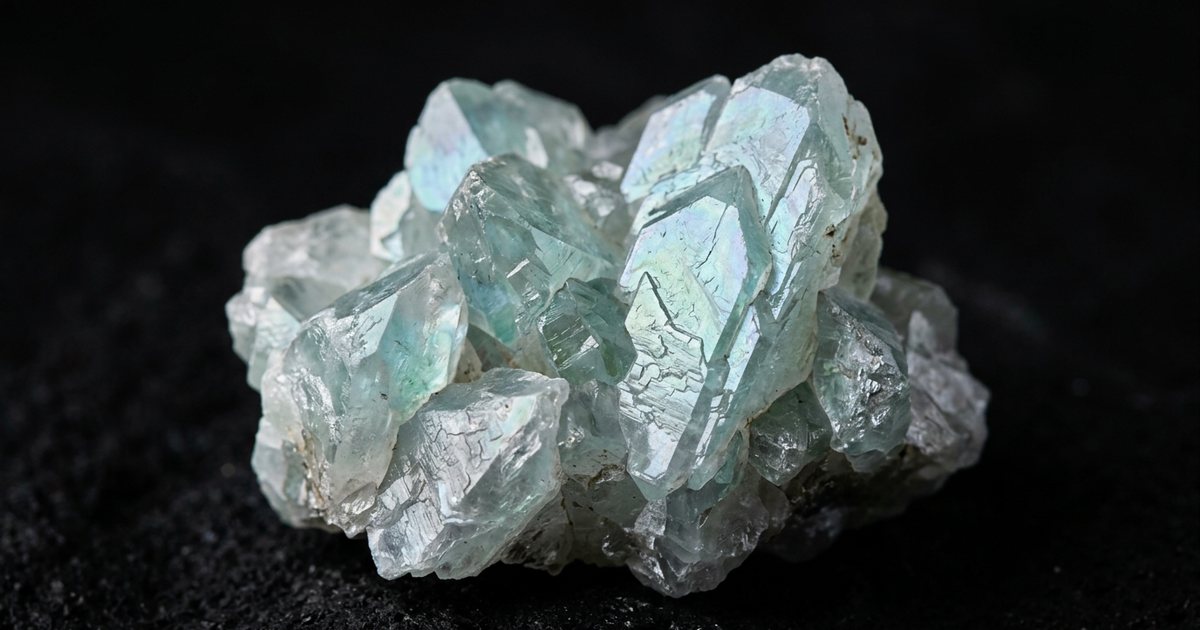
Magnesium is an essential mineral involved in over 300 enzymatic reactions in the body, and its importance for bone health is well-established. A significant portion of the body’s magnesium is stored in the bones, where it contributes to their structural integrity.
Beyond its structural role, magnesium is also involved in the regulation of calcium and vitamin D, two other critical nutrients for bone health. It plays a part in parathyroid hormone function, which helps regulate calcium levels in the blood and bones. Adequate magnesium levels are considered important for the proper utilization of calcium and vitamin D within the bone matrix.
Magnesium for Bone Density: What the Evidence Suggests
Research has explored the connection between various nutrients and bone density. For example, studies have indicated that certain nutritional factors, such as adequate calcium, fruit, vegetable nutrients, and even moderate alcohol intake, may be associated with beneficial effects on bone loss during the menopausal transition [3]. Conversely, high dietary estimates of net endogenous acid production and low dietary potassium intakes have been associated with lower bone mineral density in premenopausal women and increased markers of bone resorption in postmenopausal women [4].
While these studies highlight the broad impact of nutrition, magnesium’s specific contribution to bone density has been a consistent area of focus. Maintaining sufficient magnesium levels is considered an important aspect of a comprehensive approach to supporting bone health, especially as women navigate perimenopause and beyond. Although not directly cited as a primary outcome in the provided evidence, the role of magnesium in bone metabolism is widely acknowledged as foundational for supporting skeletal strength.
Why Magnesium Glycinate?
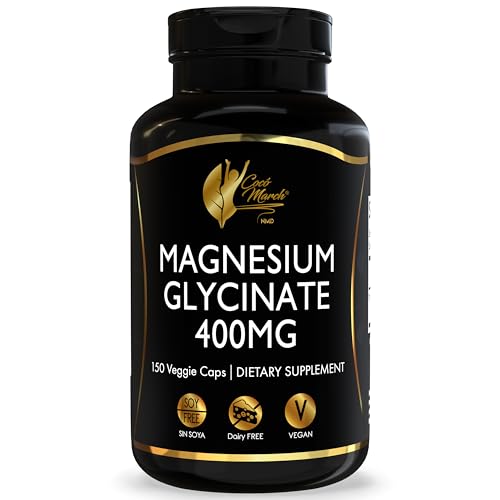
When considering magnesium supplementation, the form of magnesium can influence its absorption and tolerability. Magnesium glycinate is a chelated form of magnesium, meaning magnesium is bound to the amino acid glycine. This binding is thought to enhance its absorption in the digestive tract and may reduce the likelihood of digestive discomfort that can sometimes be associated with other forms of magnesium.
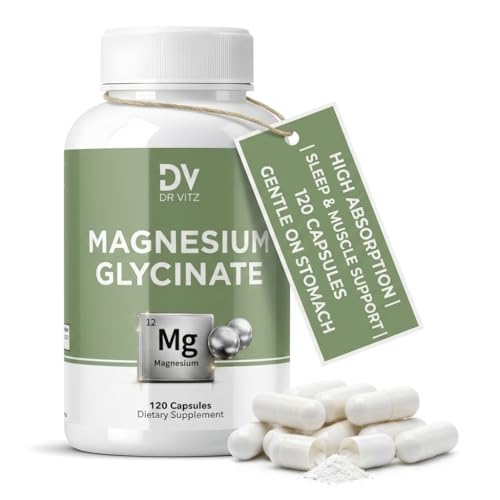
For women seeking to support bone health during perimenopause, a well-absorbed form like magnesium glycinate may offer a practical way to help maintain adequate magnesium levels. While the provided evidence does not specifically compare magnesium glycinate to other forms, the general principle of good bioavailability is a key consideration for any nutrient intended to support systemic health.
Integrating Magnesium Glycinate into a Bone Health Strategy
Supporting strong bones during perimenopause involves a multifaceted approach. In addition to considering magnesium for bone density, other factors are important. Regular weight-bearing exercise, such as Tai Chi Rouli Ball exercise, has been shown to have positive effects on bone mineral content and bone metabolism indicators in perimenopausal women [5].
Dietary intake of calcium, fruits, and vegetables are also important considerations [3]. A balanced diet rich in a variety of nutrients, combined with an active lifestyle, forms the cornerstone of bone health. Magnesium glycinate can be considered as part of a broader nutritional strategy, aiming to ensure sufficient magnesium intake to support overall skeletal well-being during this transitional phase.


References
- CRITICAL IMPLICATIONS OF FEMALE BONE METABOLISM IN ORTHOPEDICS: STATE OF THE ART. Journal of ISAKOS : joint disorders & orthopaedic sports medicine, 2026
- Integrative approaches to perimenopause. The American journal of medicine, 2026
- Nutritional associations with bone loss during the menopausal transition: evidence of a beneficial effect of calcium, alcohol, and fruit and vegetable nutrients and of a detrimental effect of fatty acids. The American journal of clinical nutrition, 2004
- Low dietary potassium intakes and high dietary estimates of net endogenous acid production are associated with low bone mineral density in premenopausal women and increased markers of bone resorption in postmenopausal women. The American journal of clinical nutrition, 2005
- The Effects of Tai Chi Rouli Ball Exercise on Bone Mineral Content and Bone Metabolism Indicators in Perimenopausal Women. Journal of clinical densitometry : the official journal of the International Society for Clinical Densitometry, 2024
These statements have not been evaluated by the Food and Drug Administration. This information is not intended to diagnose, treat, cure, or prevent any disease. Content is for informational purposes only and is not medical advice; consult a qualified healthcare provider before starting any supplement. As an Amazon Associate we earn from qualifying purchases.
