Navigating perimenopause involves a range of shifts as the body transitions towards menopause. Many women seek ways to support their well-being during this phase, and nutrition plays a foundational role. Among the various nutrients, magnesium is often discussed for its diverse functions in the body.
This article will explore the current understanding of magnesium’s potential involvement in supporting hormonal balance and overall health during perimenopause, based on available evidence. We will focus on how magnesium may contribute to various bodily processes that are relevant during this midlife transition.
Understanding Perimenopause and Hormonal Shifts
Perimenopause is a natural stage in a woman’s life that can last for several years before menopause. During this time, ovarian function begins to fluctuate, leading to changes in hormone levels, particularly estrogen and progesterone. These fluctuations can contribute to various experiences, including changes in menstrual cycles, sleep patterns, and mood.
The body’s intricate systems are interconnected, and maintaining nutritional adequacy is a key aspect of supporting overall physiological function. As hormonal landscapes shift, the demand for certain nutrients or their utilization might also change. Understanding these dynamics is crucial for women seeking to support their health during this period.
Magnesium’s Broad Role in the Body
Magnesium is an essential mineral involved in hundreds of enzymatic reactions throughout the body. These reactions are critical for processes such as energy production, muscle and nerve function, blood glucose regulation, and blood pressure maintenance. It also plays a role in the structural development of bone [1].
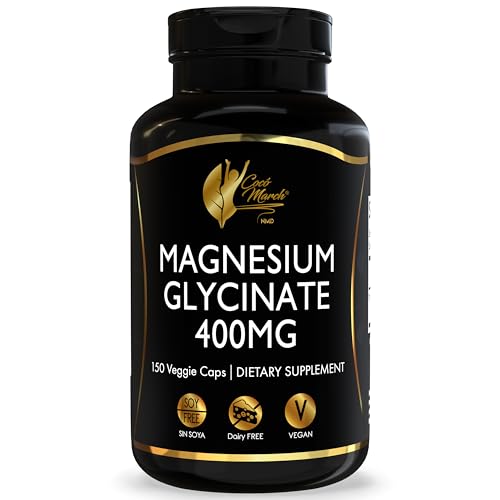
Given its widespread involvement, adequate magnesium intake is important for maintaining general health and well-being across all life stages. Research suggests there can be gender differences in dietary magnesium intake and its health impact [1], highlighting the importance of considering women’s specific needs.
Magnesium and Calcium Regulation
Magnesium plays a critical role in the regulation of calcium levels in the body. It influences the activity of parathyroid hormone, which helps maintain calcium balance [2]. Proper calcium regulation is essential for bone health, nerve transmission, and muscle function. Disruptions in calcium balance, such as hypocalcemia, can have significant health implications [2].
Some conditions, like idiopathic hypercalciuria, involve issues with calcium excretion [3]. While the direct link to perimenopause symptoms is not explicitly detailed in the provided evidence, the general importance of magnesium in maintaining mineral balance underscores its foundational role in physiological health during this transitional phase.
Dietary Magnesium Intake and Women’s Health
Dietary intake of magnesium can vary, and ensuring adequate consumption is important. Foods rich in magnesium include leafy green vegetables, nuts, seeds, legumes, whole grains, and dark chocolate [4]. However, some women may not consistently meet recommended daily allowances through diet alone.

Research has investigated the relationship between dietary magnesium intake and various health outcomes in women. For instance, a study found a relationship between dietary magnesium intake and incident heart failure among older women [5]. While this specific finding relates to cardiovascular health, it illustrates the broader significance of magnesium intake for women’s long-term health, which is relevant as women age through perimenopause and beyond.
Lifestyle and Diet Considerations During Perimenopause
Beyond individual nutrients, overall lifestyle and dietary patterns are crucial for supporting women through perimenopause. A balanced diet, regular physical activity, and stress management are all components of a holistic approach to well-being. The role of diet extends to various conditions, as seen in a review discussing lifestyle and diet in conditions like endometriosis [6]. While endometriosis is a distinct condition, this highlights the broader principle that dietary choices can influence physiological processes.
For women in perimenopause, focusing on nutrient-dense foods, including those rich in magnesium, can contribute to overall health. While direct evidence linking magnesium supplementation specifically to ‘hormonal balance’ in perimenopause is still an area of ongoing research, its established roles in nerve function, energy metabolism, and mineral balance suggest a supportive capacity for general well-being during this transitional period.

References
- Magnesium: Exploring Gender Differences in Its Health Impact and Dietary Intake. Nutrients, 2025
- Hypocalcemia: Diagnosis and Treatment. 2000
- Idiopathic hypercalciuria. The Journal of urology, 1989
- Chocolate: food or drug?. Journal of the American Dietetic Association, 1999
- Relationship Between Dietary Magnesium Intake and Incident Heart Failure Among Older Women: The WHI. Journal of the American Heart Association, 2020
- The Role of Lifestyle and Diet in the Treatment of Endometriosis: A Review. Nutrients, 2026
These statements have not been evaluated by the Food and Drug Administration. This information is not intended to diagnose, treat, cure, or prevent any disease. Content is for informational purposes only and is not medical advice; consult a qualified healthcare provider before starting any supplement. As an Amazon Associate we earn from qualifying purchases.
