Navigating midlife and menopause often brings unique challenges, and managing stress is a common concern for many women. The body’s stress response system, including the regulation of cortisol, plays a significant role in how we experience and cope with daily pressures.
Magnesium, an essential mineral, is involved in numerous bodily functions. Emerging research suggests it may also play a part in supporting the body’s ability to respond to stress and maintain balance within the neuroendocrine system.
Understanding the Stress Response and Cortisol
When faced with stressors, the body activates a complex system known as the hypothalamic-pituitary-adrenal (HPA) axis. This system orchestrates the release of various hormones, including cortisol, often referred to as the ‘stress hormone.’ While cortisol is vital for many physiological processes, prolonged or excessive activation of this response can have wide-ranging effects.
Maintaining a balanced stress response is important for overall well-being. Factors like diet, lifestyle, and nutrient status can all influence how the HPA axis functions and how the body manages stress.
Magnesium’s Role in Neurological Function and Stress
Magnesium is a co-factor in over 300 enzymatic reactions in the body and is critical for proper nerve function and neurotransmitter activity [1]. It plays a role in the regulation of neuronal excitability and synaptic plasticity, which are fundamental to brain function and mood regulation [1].
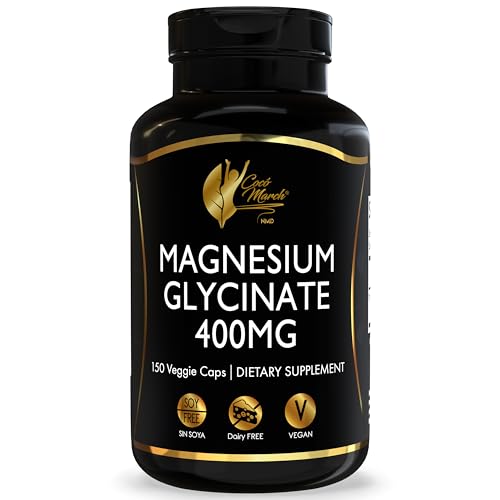
Research indicates that magnesium deficiency can induce anxiety and dysregulation of the HPA axis [2]. This suggests a potential link between adequate magnesium levels and the body’s ability to manage stress effectively. Magnesium has been identified as an important nutrient for overall mental health [3].

Magnesium and the HPA Axis: Impact on Cortisol Regulation
The HPA axis is a primary pathway through which the body responds to stress, leading to the release of cortisol. Studies suggest that magnesium may influence the activity of this axis. A deficiency in magnesium has been linked to HPA axis dysregulation [2].
By potentially modulating the HPA axis, magnesium may support a more balanced stress response, which could indirectly influence cortisol levels. This interaction highlights magnesium’s potential as a supportive nutrient in contexts of heightened stress [4].
Clinical Observations on Magnesium, Stress, and Mood
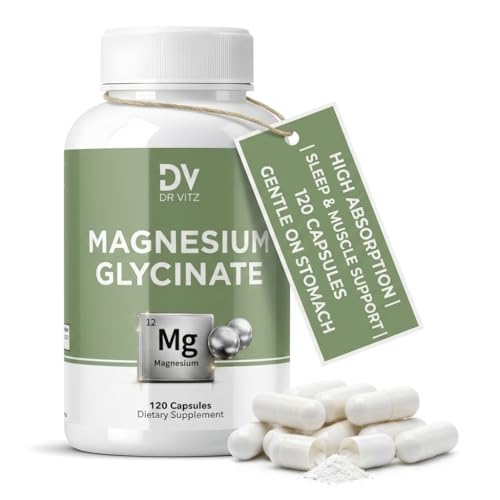
Several studies have explored the impact of magnesium supplementation on stress and related symptoms. A randomized controlled trial found that magnesium and vitamin B6 supplementation had a beneficial effect on mental health and quality of life in stressed healthy adults [5]. Another trial indicated that magnesium and vitamin B6 together were superior to magnesium alone in addressing severe stress in healthy adults with low magnesium levels [6].

These findings suggest that maintaining adequate magnesium levels, sometimes in conjunction with other nutrients like vitamin B6, may support the body’s resilience to stress. Magnesium’s influence extends to various aspects of neurological and psychological health, including its potential role in conditions like depression and bruxism, where nutrient insufficiencies are often observed [PMID 40647320, PMID 37954114].
Magnesium and Oxidative Stress
Beyond its direct impact on the HPA axis, magnesium also plays a role in the body’s antioxidant defenses. A systematic review and meta-analysis highlighted magnesium’s role in oxidative stress and inflammation [7]. Chronic stress can increase oxidative stress in the body, which in turn can further impact cellular function and overall well-being. By contributing to antioxidant processes, magnesium may offer an additional layer of support in mitigating some of the physiological effects associated with prolonged stress [7].
References
- The Role of Magnesium in Depression, Migraine, Alzheimer’s Disease, and Cognitive Health: A Comprehensive Review. Nutrients, 2025
- Magnesium deficiency induces anxiety and HPA axis dysregulation: modulation by therapeutic drug treatment. Neuropharmacology, 2012
- Zinc, Magnesium, Selenium and Depression: A Review of the Evidence, Potential Mechanisms and Implications. Nutrients, 2018
- Multisystem pathology in chronic variable stress: gut-liver-brain axis disruption and the therapeutic promise of magnesium-L-theanine. Therapeutic advances in endocrinology and metabolism, 2026
- Effect of magnesium and vitamin B6 supplementation on mental health and quality of life in stressed healthy adults: Post-hoc analysis of a randomised controlled trial. Stress and health : journal of the International Society for the Investigation of Stress, 2021
- Superiority of magnesium and vitamin B6 over magnesium alone on severe stress in healthy adults with low magnesemia: A randomized, single-blind clinical trial. PloS one, 2018
- Unlocking the Power of Magnesium: A Systematic Review and Meta-Analysis Regarding Its Role in Oxidative Stress and Inflammation. Antioxidants (Basel, Switzerland), 2025
These statements have not been evaluated by the Food and Drug Administration. This information is not intended to diagnose, treat, cure, or prevent any disease. Content is for informational purposes only and is not medical advice; consult a qualified healthcare provider before starting any supplement. As an Amazon Associate we earn from qualifying purchases.
