Ready to buy? Check current prices on Amazon and compare deals before you decide.
Navigating sleep changes can be a common experience during perimenopause and menopause. Many women seek ways to support restful sleep as hormonal shifts occur.
This article explores two commonly discussed options for sleep support: magnesium glycinate and melatonin. We’ll look at their general roles and how they might relate to sleep challenges during this life stage.
Understanding Sleep Challenges in Perimenopause
Perimenopause, the transition leading up to menopause, often brings about various changes, and sleep disturbances are frequently reported.[1] These can include difficulty falling asleep, waking up during the night, or experiencing less restorative sleep.
Hormonal fluctuations, particularly in estrogen and progesterone, are thought to contribute to these sleep pattern shifts.[2] Additionally, other symptoms like hot flashes and night sweats can interrupt sleep, making it harder to get consistent rest.
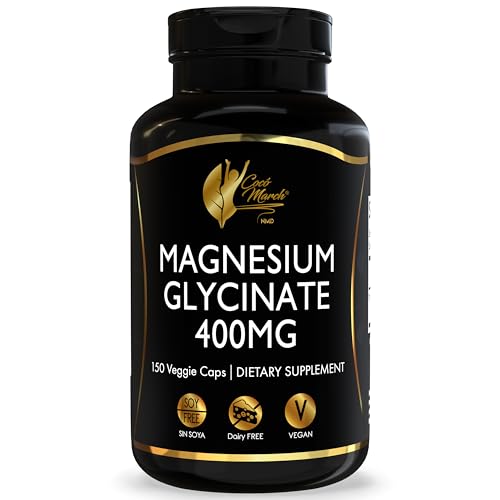
Magnesium Glycinate: A Look at its Role
Magnesium is an essential mineral involved in numerous bodily functions, including nerve and muscle function. It plays a role in processes that influence the body’s response to stress and relaxation.[3]
Magnesium glycinate is a form of magnesium that is often chosen for its absorption profile. Some individuals find that magnesium supplementation, particularly with forms like glycinate, can be helpful for promoting a sense of calm and supporting overall well-being, which may indirectly benefit sleep.[4] The most directly relevant trial is a 2025 randomized, placebo-controlled study of 155 adults reporting poor sleep quality, in which 250 mg of elemental magnesium as bisglycinate produced a significantly greater reduction in Insomnia Severity Index scores than placebo over four weeks, although the effect size was small. A 2026 systematic review of randomized trials of magnesium for sleep rated the overall certainty of the evidence low to very low and concluded that magnesium is not supported as a routine treatment for insomnia.[5] No published trial has compared magnesium glycinate directly against melatonin for sleep in perimenopause, so the two cannot be ranked against each other on evidence.


Melatonin: Exploring its Function for Sleep
Melatonin is a hormone naturally produced by the body, primarily by the pineal gland. It plays a key role in regulating the body’s sleep-wake cycle, also known as the circadian rhythm.[6] Melatonin levels typically rise in the evening, signaling to the body that it’s time to prepare for sleep.
As women age, and particularly during perimenopause and menopause, there can be changes in the body’s natural melatonin production. Some people choose melatonin supplements to help support their sleep-wake cycle, especially when experiencing difficulty falling asleep or adjusting to new sleep schedules.[7] A 2026 randomized controlled trial in 46 climacteric women working fixed hospital shifts found that 0.3 mg of melatonin reduced climacteric symptom scores by 15.8 percent versus placebo and improved self-reported sleep quality on days off, with no change in reproductive hormone levels. That trial was small and confined to shift workers, so it does not generalize cleanly to every woman in perimenopause. As above, no head-to-head trial of melatonin against magnesium glycinate in perimenopausal sleep has been published.
Magnesium vs. Melatonin for Sleep: General Considerations
When considering magnesium glycinate or melatonin for sleep support, it’s important to understand their different mechanisms. Magnesium is involved in numerous cellular processes that contribute to relaxation and nerve function, while melatonin directly influences the body’s sleep-wake rhythm.
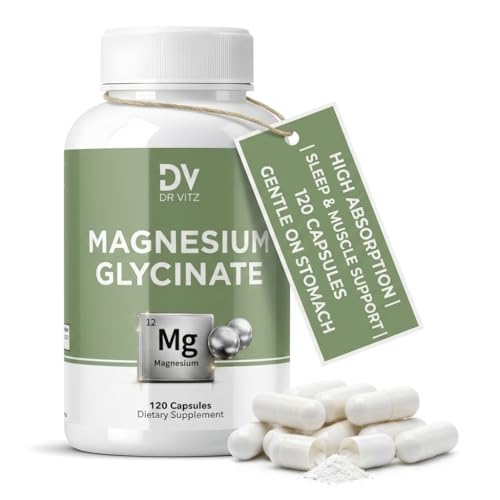
Many women explore various approaches to support sleep during perimenopause. Some may find that supporting overall mineral balance with magnesium is helpful, while others might focus on regulating their sleep cycle with melatonin. It’s also common for individuals to consider lifestyle adjustments, such as maintaining a consistent sleep schedule, creating a comfortable sleep environment, and managing stress, as part of their sleep support strategy.
The decision to consider either magnesium glycinate or melatonin for sleep support is a personal one, and understanding their general functions can help in making informed choices. It’s always advisable to consider individual needs and preferences.
Important Safety and Usage Notes
Both magnesium supplements and melatonin supplements are widely available. However, individual responses can vary. It’s always prudent to start with the lowest suggested dose and observe how your body responds.
If you are taking other medications or have existing health conditions, discussing any new supplements with a healthcare provider is a sensible step. This helps ensure that the chosen supplement is appropriate for your individual health profile.
References
- Complementary and Alternative Medicine in the Management of Perimenopausal Sleep Disturbances: A Scoping Review. Cureus (2026). PMID 42741695
- Insomnia in Postmenopausal Women: How to Approach and Treat It?. Journal of Clinical Medicine (2024). PMID 38256562
- The Mechanisms of Magnesium in Sleep Disorders. Nature and Science of Sleep (2025). PMID 41116797
- Magnesium Bisglycinate Supplementation in Healthy Adults Reporting Poor Sleep: A Randomized, Placebo-Controlled Trial. Nature and Science of Sleep (2025). PMID 40918053
- Magnesium Supplementation for Sleep in Adults: A Systematic Review of Randomized Controlled Trials. Journal of Dietary Supplements (2026). PMID 42661485
- Melatonin in Circadian Rhythm and Brain Health: Neuroprotective Effects and Therapeutic Potential. Aging and Disease (2026). PMID 42234969
- Low-Dose Melatonin, Climacteric Symptoms and Sleep in Female Shift Workers: A Randomized Controlled Trial. Journal of Pineal Research (2026). PMID 41841489
These statements have not been evaluated by the Food and Drug Administration. This information is not intended to diagnose, treat, cure, or prevent any disease. Content is for informational purposes only and is not medical advice; consult a qualified healthcare provider before starting any supplement. As an Amazon Associate we earn from qualifying purchases.
